One of the burning questions to be answered at the Men’s 2024 Guinness Six Nations is whether France can rise from the psychological ashes of Rugby World Cup heartbreak.
That defeat to South Africa by a single point in the quarter finals, has left a hefty piece of rugby scar tissue.
For the blue phoenix to rise again from the ashes it is going to have to take a mighty mental leap.
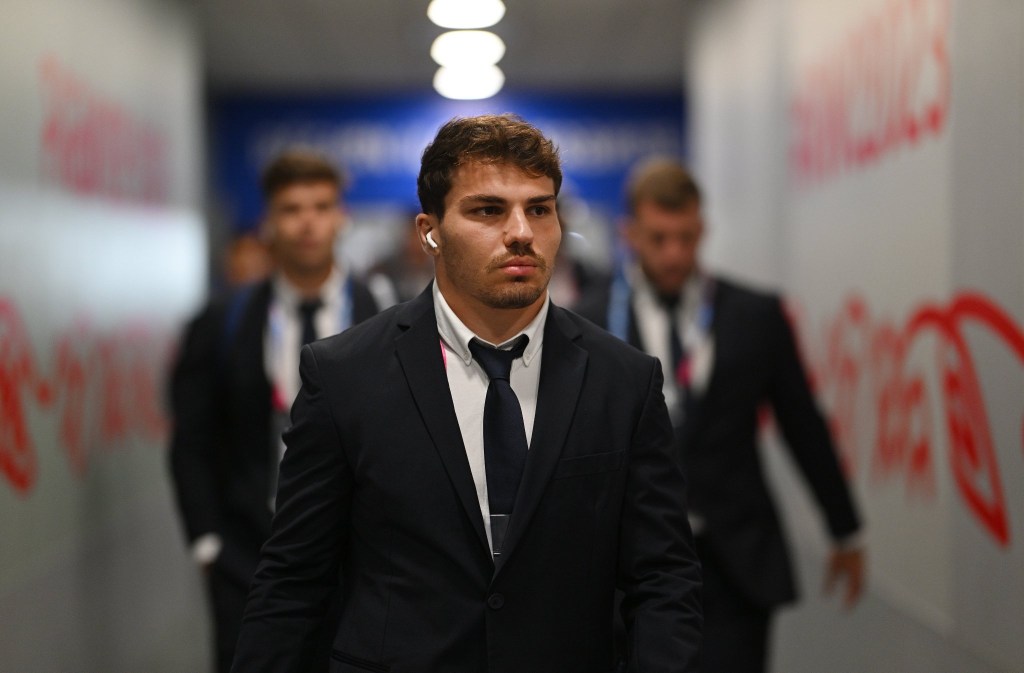
The stars have not aligned for them this time around. France open the tournament against Ireland, arguably the toughest opponents they will face all tournament, and they will be without their captain, talisman and rugby super hero Antoine Dupont, who will be preparing his bid to win Olympic gold with the France sevens squad.
On the positive side, the match will be played at the Orange Velodrome in Marseille, a raucous Friday night under the lights where the atmosphere will be fever pitch. Also, Ireland, who suffered a similar fate of execution at the quarter final stage of the Rugby World Cup, will have their doubts and disappointments to overcome.
France named their tournament squad last week and it makes strange reading without a Dupont or an Ntamack present, two world class operators who will be greatly missed. Having said all that, Lucu and Jalibert are in imperious form for Bordeaux, and their half back pairing is not a bad replacement for the absent Toulouse duo.
Elsewhere Gregory Alldritt was named captain, it was a close run thing between him and Charles Ollivon, the fact that Alldritt is bi-lingual may have swayed the decision his way, especially as most of the international referees have very limited command of the French language at best.
There were twenty-two survivors from France Rugby World Cup squad. Flament, Bourgarit, Falatea and Gros are all injured, whilst Antoine Dupont is concentrating on his Olympic dreams.
Sadly Anthony Jelonch damaged knee ligaments last weekend against Bath and will now miss the entire tournament, his place in the squad goes to Alexandre Roumat of Toulouse.
Matthis Lebel has been given the nod over Gabin Villière, at scrum half Le Garrec takes Baptiste Couilloud’s place. Racing fly half Antoine Gilbert is chosen ahead of Hastoy.
The average age of this squad is 26 years 6 months so the majority should be available for RWC 2027, but in the meantime Galthie is firmly focused on early February and that huge Friday night on the Med, and what a night it promises to be.
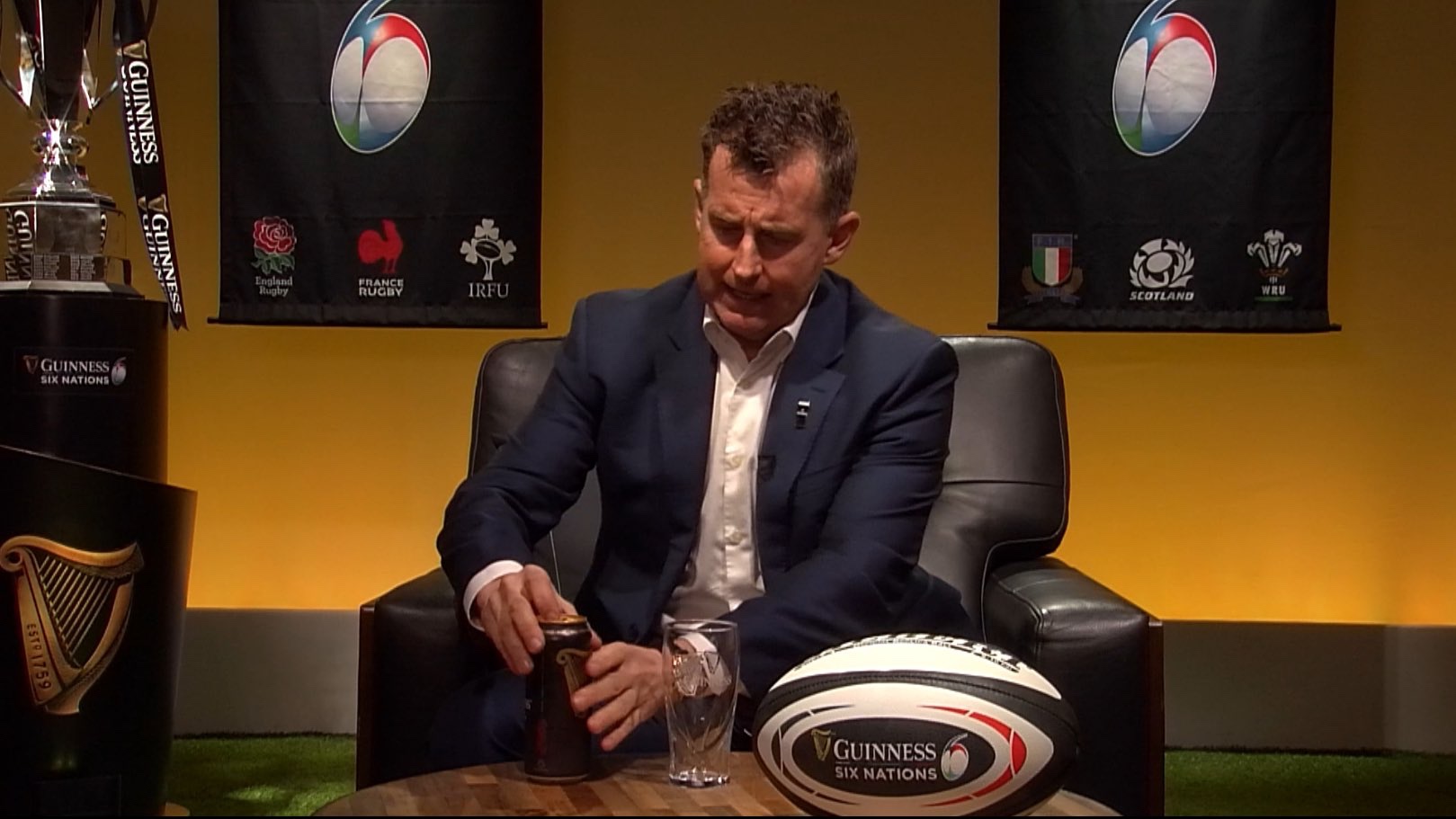
One of the many joys of visiting Dublin for a rugby international is sitting watching the sun set over Dublin Bay with a cold pint of Guinness for company, a drop of the black stuff always seems to taste that little bit better in the emerald isle.
There a few myths about this wonderful creation, firstly it is not made with water from the nearby River Liffey, that flows alongside the St James’s gate brewery in the heart of Dublin, the water actually comes from the beautiful Wicklow mountains further south.
Also, I hate to tell you, Guinness is not actually black, but rather a dark shade of red, a colour the brewers attribute to the roasting of malted barley during the preparation process.
As sponsors of the Six Nations Tournament Guinness have provided a slick and stylish addition to the brand, added to that is there delightful sense of humour which echoes through their media advertisements.
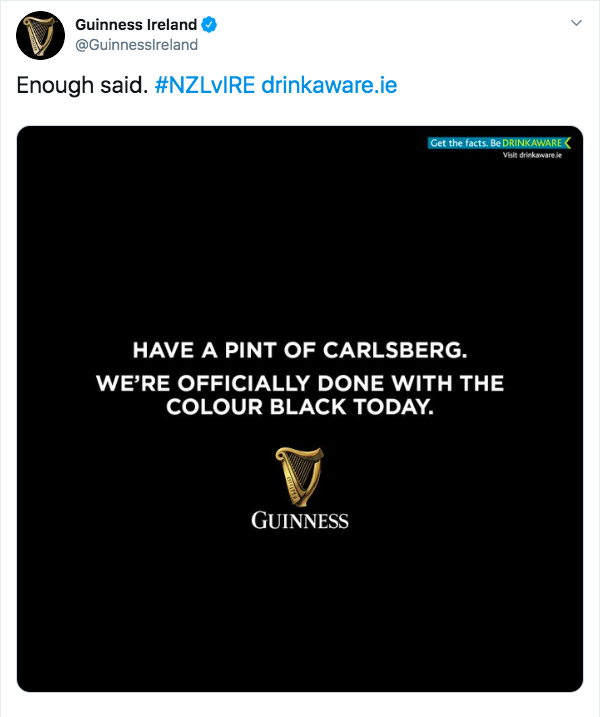
When Ireland lost to the All Blacks at RWC 2019 they even suggested their followers have a pint of Carlsberg, as shown below.
Another surprising fact to the uninitiated is the news that a pint comprises of only 210 calories a a relatively low alcohol content. On average, beer contains 5% ABV, while Guinness clocks in at just 4.2%.
Its creamy texture is not associated with increased calories because it comes from using nitrogen instead of carbon dioxide in the carbonation process. Nitrogen bubbles are much smaller than their carbon alternatives, creating a smooth, creamy and less fizzy finish.
Guinness may help to boost iron levels, It was once given to post-operative patients and pregnant or nursing women in an attempt to fortify iron and until 2009 blood donors in Ireland used to get a free pint of Guinness after they gave blood.
I have to confess that my intake of the Six Nations sponsors product over the last 12 months has been consistent, but arguably not excessive, and until I can stroll once again to my favourite watering hole in Dun Laoghaire overlooking Dublin Bay, I shall Maintain my consistency from afar and the comfort of my own fridge.
Whatever success Les Bleus enjoy on the field at the the 2024 Guinness Six Nations, they are already guaranteed to lose out financially at this years tournament.
With Stade de France unavailable due to stadium preparations for the 2024 Olympic Games, France are having to play their tournament home games in Marseille, Lille and Lyon.
Hosting Ireland, Italy and England at these venues will result in a substantial loss of income.
Despite ticket demands massively exceeding availability the estimated financial losses are quite considerable.
400,000 ticket requests (for 175,000 tickets available) have been recorded by the the French Rugby Federation for the three home games but this still means the governing body will lose “beaucoup de Euros”.
Claude Hélias, the treasurer of the FFR, stated: “The fact that we cannot use the Stade de France will make us lose two million euros per game, or between five and six million over the entire competition. In the other stadiums, there are fewer tickets available, the price is lower and there are fewer hospitality boxes”.
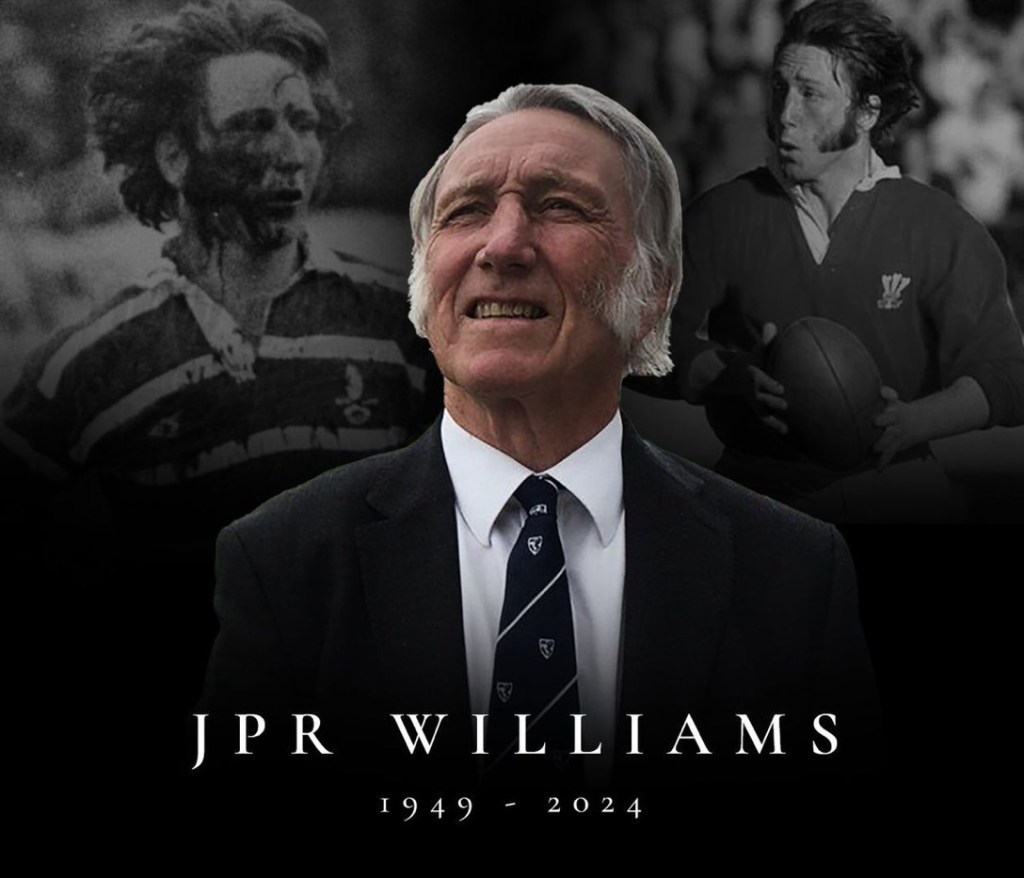
Last night for me was the rugby equivalent of the day the music died.
Welsh people of my generation who were lucky enough to hit adolescence in the 1970’s didn’t bother with Batman, Superman or Spidermen, we had our own superhero. He didn’t need a Christian name or a surname just three initials… JPR.
To those of us who watched from the North Enclosure he was indestructible, invariably starting a match with stitches in one side of his face and ending it with some more on the other side for good measure.
For an orthopaedic surgeon he seemed to have very little regard for his own safety. The news about his sad passing revealed that John Peter Rhys Williams was human after all and that revelation hit us harder than one of his head on tackles.
How tough was he? Well, after the full-back was involved in a road traffic accident on the way to a Wales training session Gareth Edwards declared : “typical, isn’t it?
“The car’s a write-off. The petrol tanker that hit him is a write-off. But JPR comes out of it all in one piece.”
That was the incident that supposedly led a hospital spokesman to report the next day: “Mr Williams spent a comfortable night, but we were unable to save the tanker.”
Carwyn James once described JPR as : “A forest animal, he was blessed with a sixth sense for the presence of danger, an element which he often sought and loved”
Sadly my generation are now at that age where our childhood heroes begin to leave us on a regular basis, somehow the news that JPR has gone leaves a deep saddening emptiness that is hard to describe or explain.
As I lay awake in the early hours of this morning images were racing through my mind of the great man tackling Jean Francois Gourdon the French winger with a shoulder charge that secured a Grand Slam for Wales, and the first time I saw him play scoring two tries against England at Twickenham in 1976 as I was getting drenched in the South Stand.
We all have our own individual memories of this true legend of the game and whilst JPR may have left us I can guarantee he will never be forgotten.
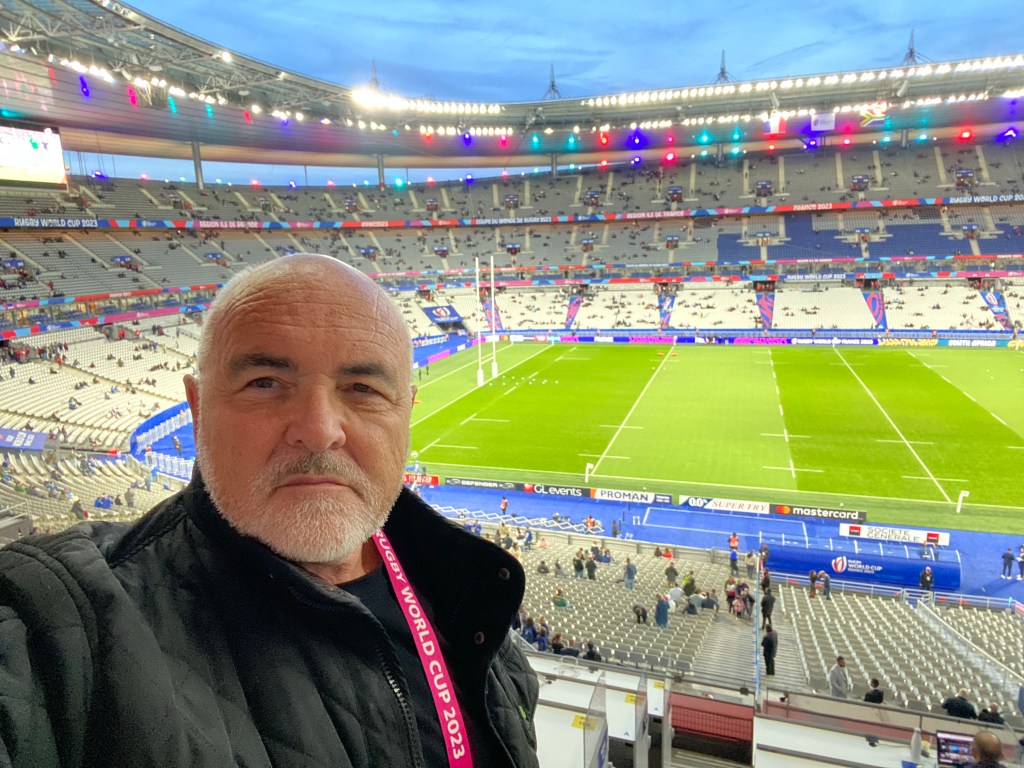
To witness this incredible match from the press box was truly a privilege, I have never heard La Marseillaise sung with such passion, or felt the tangible desperation of a nation at a rugby match so intensely. After filing my match report I recorded my thoughts on the long walk back to the hotel……..
Within twenty minutes of leaving the media centre at Stade de France I find myself suddenly alone and in total silence, taking a side road to by-pass the endless queues at La Pleine RER station I am on the banks of Canal de Saint-Denis, a solitary figure in the darkness. What I have just witnessed is racing around my brain in a spinning cocktail of noise and colour.
As the full moon reflects on the calm water, my reflections are much more turbulent.
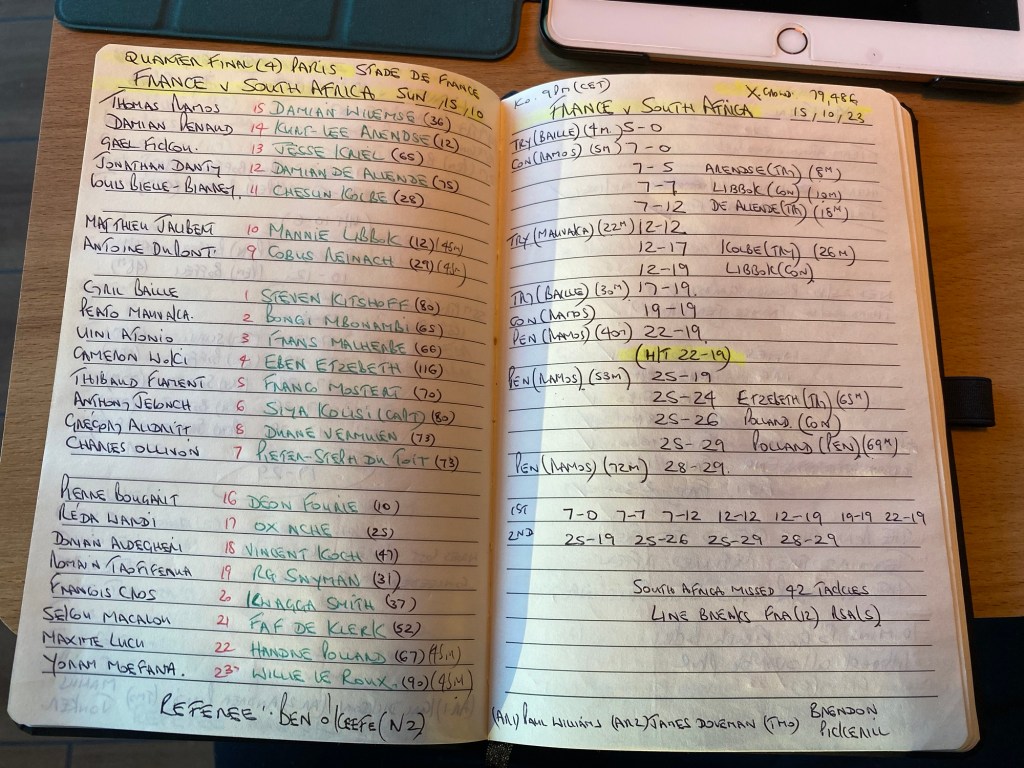
France have been knocked out of the 2023 Rugby World by South Africa in a most wonderful, enthralling nerve shedding quarter final by a single point.
This was not how it was meant to end for the host nation, it is close to midnight on a still October Sunday night, and a numbness has engulfed the entire country.
French Fans wander around the stadium concourse in a daze, the nine o’clock kick off which is de rigour in this northern suburb of Paris was primed to send the French population on their way to a Monday morning commute full of joy and excitement for what was to come in next weekend’s semi final, the coffee and croissant tasting all the sweeter as the working week, just hours away, was set to commence. That first Espresso in just a few hours time is going to taste extremely bitter.
The canal towpath becomes darker as a stray cloud temporarily meanders over the lunar brightness, for Fabian Galthié and his men the metaphorical cloud that hovers above their heads is going to take quite some time to disperse.
A small part of Rugby World Cup 2033 died at Stade de France tonight.
For the last four years France have lived, breathed, eaten, slept and dreamed of World Cup glory on their very own green green hybrid grass of home.
It came to an abrupt and tearful end by the narrowest of margins, one single tantalisingly reachable point.
It was France’s destiny to lift to the 2023 Rugby World Cup trophy, but as William Shakespeare reminds us, it is always more terrestrial forces that decide the outcome of these matters. South Africa’s 29-28 win confirmed “It is not in the stars to hold our destiny but in ourselves”(Julius Caesar – Act 1-Scene 2)
Two weeks previously I was sat in the press tribune at the Marseille Velodrome. It was a thundery, muggy Thursday night on the south coast, and France’s magical display of rugby wizardry in their 96-0 win over Namibia left the capacity crowd in raptures.
The joy and elation that swirled around the magnificent stadium that night turned into a collective gasp of shock and horror as captain, scrum half and resident rugby genius, Antoine Dupont, left the field clutching his right cheek, a cheek that was already awash with his own tears.
It felt to everyone looking on that his World Cup was over. The rugby world spent the next 24 hours looking up Zygomaticomaxillary complex fracture on Google search, looking in hope, rather than expectation, for a glimmer of good news to ease their fears.
A whole boat load of medical bulletins had passed under the Seine bridges since then, and tonight amazingly, under the bright lights of Paris, just twenty-three days after surgery in Toulouse, the great man was back, and he and his esteemed colleagues were hoping to take a giant leap forward in their quest for Rugby World Cup glory.
The area around Stade de France had been buzzing since noon, a joyous colourful Sunday carnival.
The match itself was a throbbing brutal contest as expected, swaying back and forth and in doubt till the very last second.
The mostly home crowd ear splittingly cheered every French success at scrum, line out and breakdown they did everything they could to get their boys over the line, but it wasn’t to be.
At the final whistle their were French bodies strewn across the field, prostrate, red-eyed, and utterly exhausted.
For France they will wake up this morning, if indeed they have had any sleep at all, with that awful feeling of stomach churning emptiness, they have thought about nothing other than winning this tournament for what must seem like an eternity. The stark reality will slowly hit that they now have to go back to normal life.
The fact that tonight’s game will go down as one of the Rugby World Cup’s greatest will be scant consolation to those of a blue persuasion, but the rugby world will keep on turning, and in four years time France’ World Cup dream could well be fulfilled, but to have failed this time around on home soil will leave a scar that may never completely fade.
If the world’s greatest rugby player is getting “stick” then it makes you question if the criticism is coming from those within the game who have credible reputations.
When you discover that the source of the ramblings are Marc Lièvremont and the ex billionaire comic book magnate who bankrolled Toulon, Mourad Boudjellal, then you can take a deep breath and realise that the rugby equivalent of those two old men in the Muppett Show leaning over their theatre box constantly complaining, are talking out of a part of their anatomy that wasn’t designed for speech.
Boudjellal is the type of man who could start a verbal disagreement in a Trappist monestary, having been relatively quiet of late it looks like he has stopped taking his medication, and like the old bloke in the shopping mall shouting incoherently at the escalator, he has decided it is time for the world to listen, and he had this to say.
“Antoine Dupont, we see him in magazines, we see him everywhere! He met Zidane, he met Henry, he met everyone but on the field, he no longer meets the ball”.
At the same time, former France coach Marc Lièvremont remember him ? the international coach who was so good the players ignored him completely at the 2011 Rugby World Cup, and after being humiliated by Tonga in the pool stages came up with their own game plan, getting to the final and very nearly winning the damn thing.
Marco’s utterings were less vindictive at the final whistle of the Stade Francais v Toulouse match (27-12), he stated on French television that Dupont had now “entered a form of norm. ” a statement as obscure as some of his coaching methods.
In fact Dupont had some outstanding moments in that game despite the defeat.
Maybe Antoine had been slightly below his scintillating best after returning from World Cup heartbreak, but his slightly below par performances are the equivalent most scrum halves highest benchmark.
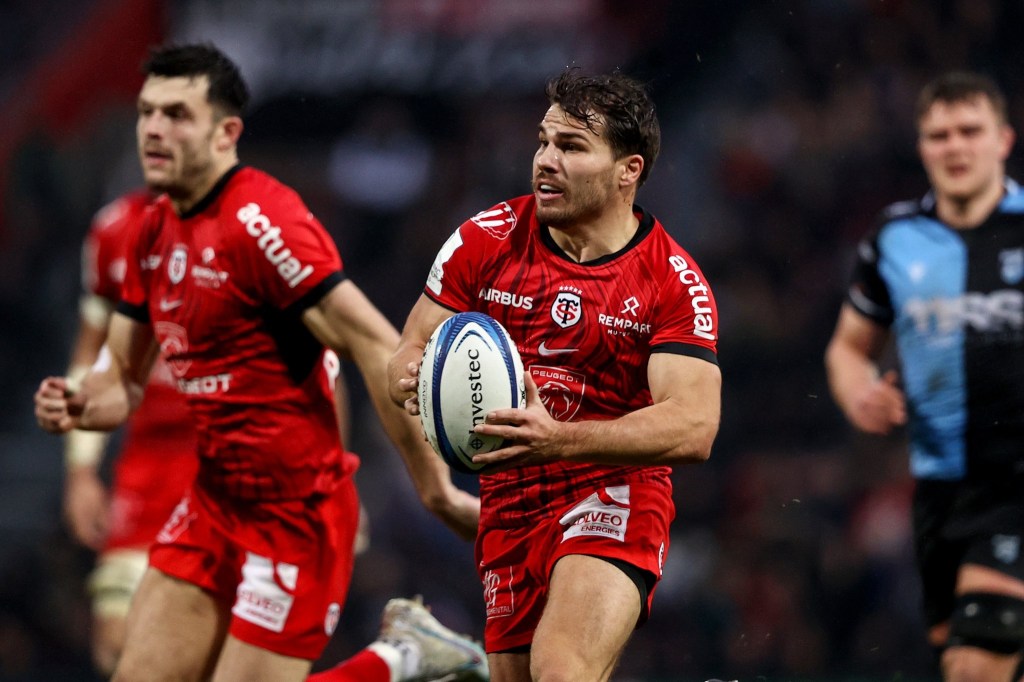
Last weekend against Cardiff Dupont was back to his very best, and this weekend at the Stoop. after a couple of early errors, he faultlessly orchestrated the spell binding Toulouse back line to a 47-19 win against Harlequins.
So Boudjellal has been made to eat his words, not for the first time and in this instance it’s an all you can eat buffet.
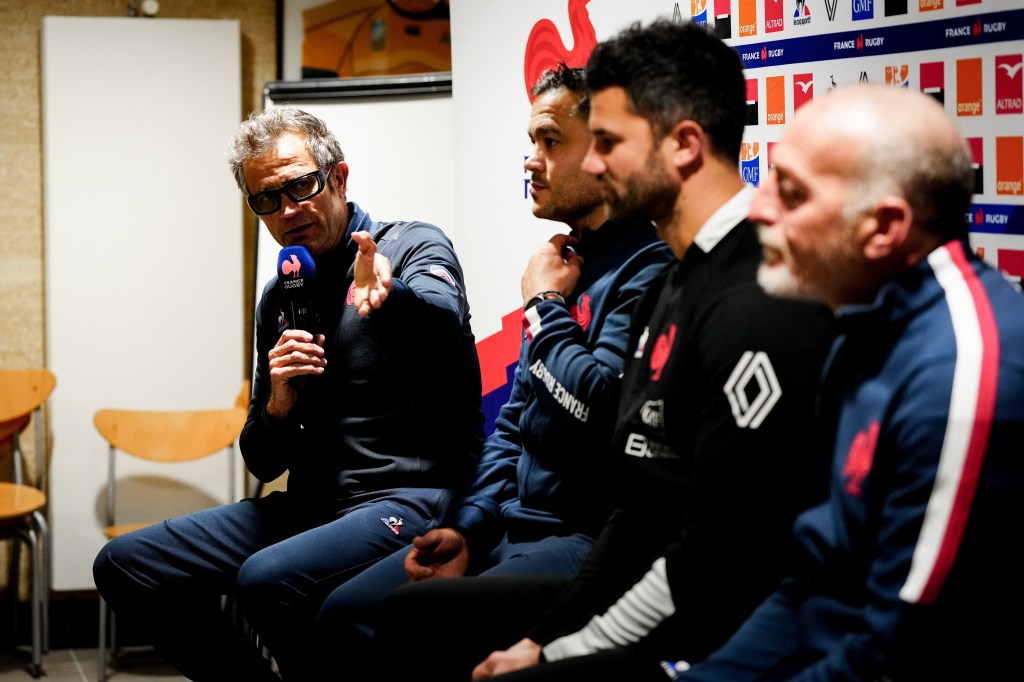
Last Friday Fabien Galthié revealed his new back room staff to the media and led training at the Pic Saint-Loup club near Montpellier.
The Rugby Club Saint-Gély Pic Saint-Loup is made up of volunteers, and aims to be a continuation of the Pic Saint-Loup Rugby School allowing young players reaching the age limit of educational rugby a space to continue their favourite sport in a setting that respects their training, their desires, and their school or professional curriculum.
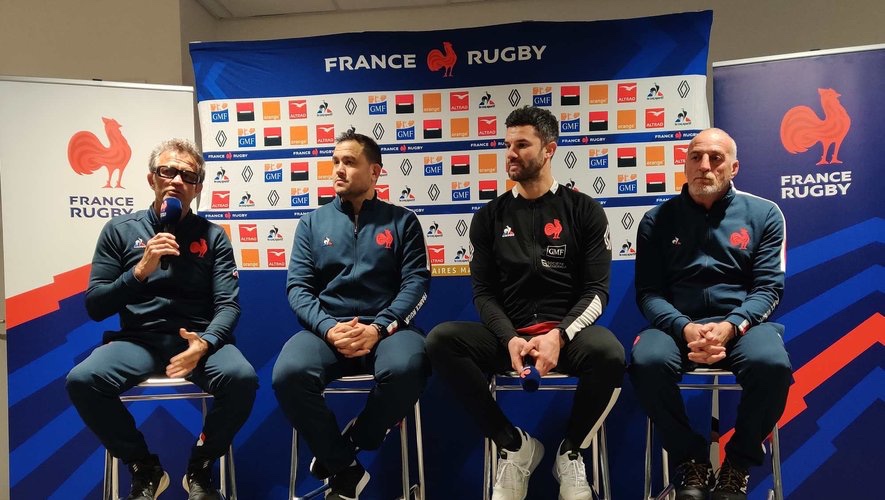
Fabien Galthié took advantage of his back-to-school press conference in Saint-clément-de-rivière to present his new assistants, Patrick Arlettaz and Laurent Sempéré, as well as Nicolas Jeanjean who has benefitted from a rise in rank.
Karim Ghezal and Laurent Labit have left the coaching set up to join Stade Francais and Thibault Giroud is now at Bordeaux.
Laurent Sempéré and Patrick Arlettaz are therefore the two new boys and Nicolas Jeanjean, has switched roles to become performance coach.
Galthie announced “I really took the time to make the decisions, because I had a lot of them. I took the best, each in their fields, each in their teams. I felt in them a great motivation, a great strength. I felt the obvious too. Their history, potential, talent and passion. ”
Laurent Sempéré joins from Stade Francais and will work William Servat who retains his position as scrum coach.
The Catalan Patrick Arlettaz arrives as attack coach with a view to making the French team as efficient as possible when they get the ball.
Nicolas Jeanjean the former French international was already part of the “performance” team and now Fabien Galthié has given him an internal promotion to compensate for Thibault Giroud’s departure. “I saw him evolve, I saw him grow, I also trained him,” Fabien Galthié said about him. “He has been here for six years already, it is an internal promotion. ”
Interestingly these men already know each other well. Galthié played against Arlettaz many times over a ten year period, Laurent Sempéré and Nicolas Jeanjean were also his team mates during his playing days at Stade Francais.
Galthié used this opportunity at Saint-Gély Pic Saint-Loup as a training session for his coaches.
Preparation time for the opening match of the 2024 Guinness Six Nations will be very limited, France face Ireland in Marseille on Friday 1st February.
As part of that preparation the coaching team will meet up next week at Marcoussis for a training course from Monday to Tuesday, followed by a working seminar from Wednesday to Thursday.
This will be an opportunity for the coaches to train with the France U20 world champions and implement the training model they will use for the senior squad.
“Saint-Andre, now they have to chance their arm here, the tour record hanging in the balance. Philippe Saint-Andre can he make the pass ? Cooksley all over him ,there it is again, Gonzalez, Deylaud, Benazzi, Ntamack, Laurent Cabannes, Deylaud what a superb movement ! what a try ! one of the all time great tries by Sadourny”.
If Carlesberg did tries they would probably step aside for the French when it comes to being the best.
The fact that this particular one was scored against the All Blacks at Eden Park of all places and with only minutes of the match remaining makes it premier cru class.
The ball travelled eighty metres from one side of the field to the other, stopping briefly for a quick two second ruck, and went through nine sets of hands, the entire move lasted thirty seconds. It was the essence of French rugby personified
In front of 40,000 spectators, the All Blacks faced France as part of a two test series.
The previous weekend France had beaten the All Blacks at Christchurch 22-8 in Phillipe Sella’s 100th match for Les Bleus.
All Blacks coach Laurie Mains had promised revenge and up until the final few minutes he looked to be as good as his word.
With minutes remaining on the clock France Captain Philippe Saint-André took the ball about 18 metres from his own tryline after a kick by All Black fly half Stephen Bachop.
Saint-André brought the ball into midfield before making a blistering break sidestepping two All Blacks along the way before the tackle of lock Mark Cooksley stopped him in his tracks a few metres short of the 40m line. The ball was recycled by hooker Jean-Michel Gonzalez who passed to fly half Christophe Deylaud. Deylaud passed outside to flanker Abdelatif Benazzi, who evaded Jonah Lomu, before passing the ball again to winger Emile Ntamack. The had travelled twenty metres, through three sets of hands in five seconds.
Ntamack then cut inside and and as he was tackled by John Kirwan offloaded to flanker Laurent Cabannes. Who in turn flicked the ball back to replacement Yann Delaigue, before being tackled by Stu Forster. Delaigue then switched play to the opposite Touchline evading a tackle by Frank Bunce before passing to France number nine Guy Accoceberry, the angle of the scrum half’s run left All Black openside Mike Brewer stranded, Accoceberry ran towards the right-hand corner, outpacing three covering All Blacks.
As they closed in Accoceberry, inches from the tryline, he offloaded to Sadourny, who just fell on the ball to touchdown for the sensational try.
Deylaud kicked a tricky conversion from wide out to give France a 23-20 lead with just 45 seconds remaining, France gathered the All Black restart and kicked to touch around the 22m line. All Black captain Sean Fitzpatrick won a scrappy lineout and got the ball back to his scrum half Stu Forster who was immediately enveloped by the French forwards. New Zealand recycled the ball and in their efforts get upfield were awarded three penalties, but the ball was eventually trapped in a maul and the final whistle was blown. It was first ever France’s test series win in New Zealand, and the first time New Zealand had lost three tests in a row in twenty-three years.
Sadourney’s try is generally considered one of the greatest tries ever scored, often ranked alongside ‘The Try’ scored by Gareth Edwards from the Barbarians against New Zealand in 1973.
PHILIPPE SAINT-ANDRE (69 French caps, wing): I was the captain and we knew the second Test was going to be very tough. We had seen on TV that the All Blacks had had a fight in training during the week. There was big pressure on them. I was playing in front of John Kirwan in one of his last international games and it was the beginning of Jonah Lomu.
John Kirwan: There were a few dust-ups at live scrums in training. I think we had a few fights playing touch.
PSA: At one point we were four points down and we had a chance to counterattack, but we kicked the ball. I was mad. I said, ‘guys, we can lose by 12 points but if we have the chance to run the ball we need to do it’. After that, the All Blacks kicked the ball. Because I’d bollocked everyone five minutes earlier I had to run the ball. I was on my own against four or five New Zealand players.
Frank Bunce: The kick was a little bit off, the chase was not quite right, one guy gets beaten and then there are all the support guys coming through.
Ian Jones: Ntamack set off through about 15 of us on this curving wonderful run. They covered a good 120 metres of ground and no one laid a hand on them.
John Kieran: We were tackling shadows. It was France at their very best and us making errors.
Frank Bunce:I got stepped inside, then they passed the ball along to Jean-Luc Sadourny…
The full-back scored on the left. The ball had passed through eight pairs of hands, from defence to attack in a flash. It was one of the great tries ever scored.
John Kirwan:It was a pretty spectacular try, not dissimilar to the Sean O’Brien one in Auckland. It was really special to see it unfold but equally really disappointing that we could not shut it down. I knew they would run it, but the rest of the team did not. It was mental switch-off for us – the last thing you can do against France is give them that try – they grow another leg when they do stuff like that.
PSA: We were in the press conference afterwards and I called it ‘essai du bout du monde’, or ‘the try from the end of the world’. It’s still known as that.
We had a big, big celebration. We went to a bar down by the sea. We drank and sung all night long.
But across the corridor, the All Black dressing room held a different mood.
John Kirwan: Have you ever been to a wake? It was like 30 of your closest mates had passed away and you were sitting with them. Purgatory probably – that was the place we were in.
Frank Bunce: You just sit there, with nothing to say. You know you have let people down and it is not going to be good.
John Kirwan:What you have to realise is that even your family will be talking about it. You cannot escape it in our country. Everyone talks about it. For me it was about hiding in my room, not wanting to go out, not wanting to show my face, being embarrassed.
New Zealand:
1. R. W. Loe, 2. S. B. T. Fitzpatrick (captain), 3. O. M. Brown, 4. B. P. Larsen, 5. I. D. Jones, 6. M. S. B. Cooksley, 7. M. R. Brewer, 8. Z. V. Brooke (replaced by A. Pene) , 9. S. T. Forster, 10. S. J. Bachop, 11. J. T. Lomu, 12. M. J. A. Cooper, 13. F. E. Bunce, 14. J. J. Kirwan, 15. J. K. R. Timu
SCORERS: Sean Fitzpatrick Try; Matthew Cooper Penalty Kicks(5)
France:
1 L. Benezech, 2 J-M. Gonzalez, 3 C. Califano, 6 A. Benazzi, 4 O. Roumat, 5 O. Merle, 7 L. Cabannes, 8 P. Benetton, 9 G. Accoceberry (replaced by X. Blond), 10 C. Deylaud, 11 E. Ntamack, 12 T. Lacroix (replaced by Y. Delaigue), 13 P. Sella, 14 P. Saint-Andre (C), 15 J-L. Sadourny
Referee Derek Bevan (Wales). The try scorer Jean-Luc Sadourny spent his entire career at the Colomiers club and won .. caps for France before opening Restaurant Le Sadourny Café in Place Alex Raymond in Colomiers.
His flair on the field was more than matched in my humble opinion by his establishment’s Tartare de boeuf charolais ou limousine every bit as mouthwatering as his glorious try at Eden Park.
Last weekend, no less than thirteen of the heartbroken French Rugby World Cup squad returned to Top 14 action.
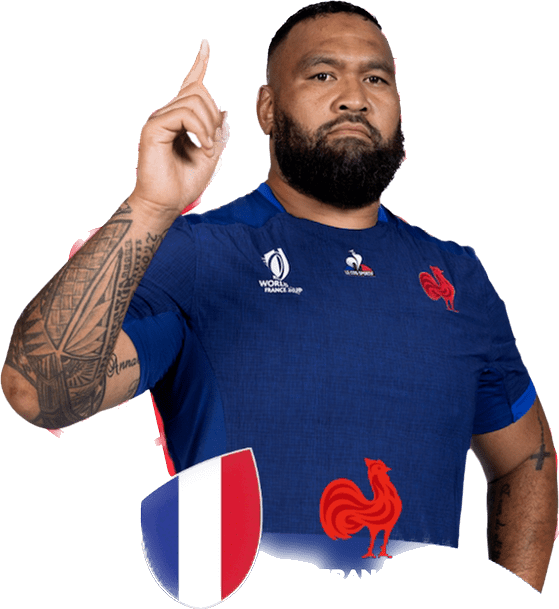
Cyril Baille, Uini Atonio, Paul Boudehent, Pierre Bourgarit, François Cros, Jonathan Danty, Anthony Hastoy, Thibaud Flament, Matthieu Jalibert, Anthony Jelonch, Thomas Ramos, Damian Penaud and Antoine Dupont were “back on the horse” and attempting to extinguish those bitter memories of October 15.
Many squad members had already returned to club duties namely Peato Mauvaka, Dorian Aldegheri, Melvyn Jaminet with Toulouse; Baptiste Couilloud and Romain Taofifenua at Lyon; Sekou Macalou with Stade Francais, Arthur Vincent, Bastien Chalureau and Paul Willemse in Montpellier; Maxime Lucu, Louis Bielle-Biarrey, Yoram Moefana and Sipili Falatea at Bordeaux, Charles Ollivon, Gabin Villière and Jean-Baptiste Gros in Toulon; and finally Cameron Woki and Gaël Fickou at Racing 92.
La Rochelle’s Uini Atonio admitted that he needed a real break “I spent three weeks where I completely cut with rugby. I spent time with my family, since we lived four months together with France to prepare for the World Cup. So, frankly, I was happy to return to the club. And even more so in view of the energy there was when all the internationals arrived earlier this week. I don’t even know if I watched any for three weeks, and as a result I am physically and mentally regenerated. I am ready to resume the race. And laugh with the guys. ”
“After three weeks of vacation, I feel very good,” Anthony Jelonch revealed “We had a tough first week after the defeat against South Africa, but we have to move on. I hadn’t had a break for a very long time, and by the third day of vacation, I was bored at home. But I didn’t necessarily want to get back playing quickly, it did me good for my head and body to enjoy several days of rest. ”
Not everyone is back, Julien Marchand, who played a total of just 12 minutes at RWC 2023, is still injured, and Grégory Alldritt, is resting until the new year, not surprisingly after the battering his body took throughout 2023.
The Top 14 is now back in full swing until the final in Marseille on Friday 28 June interrupted only by European competitions and the Guinness Six Nations for those who have now returned from national service it is going to be a long old haul.
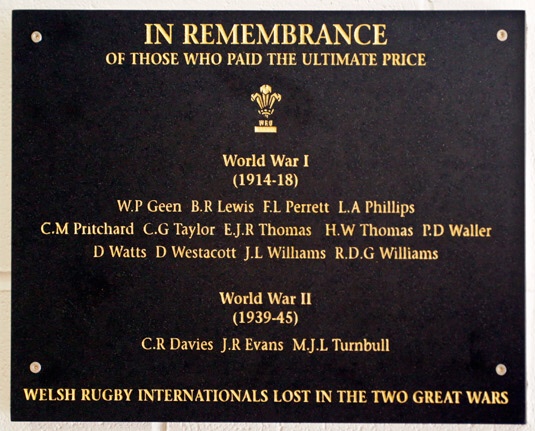
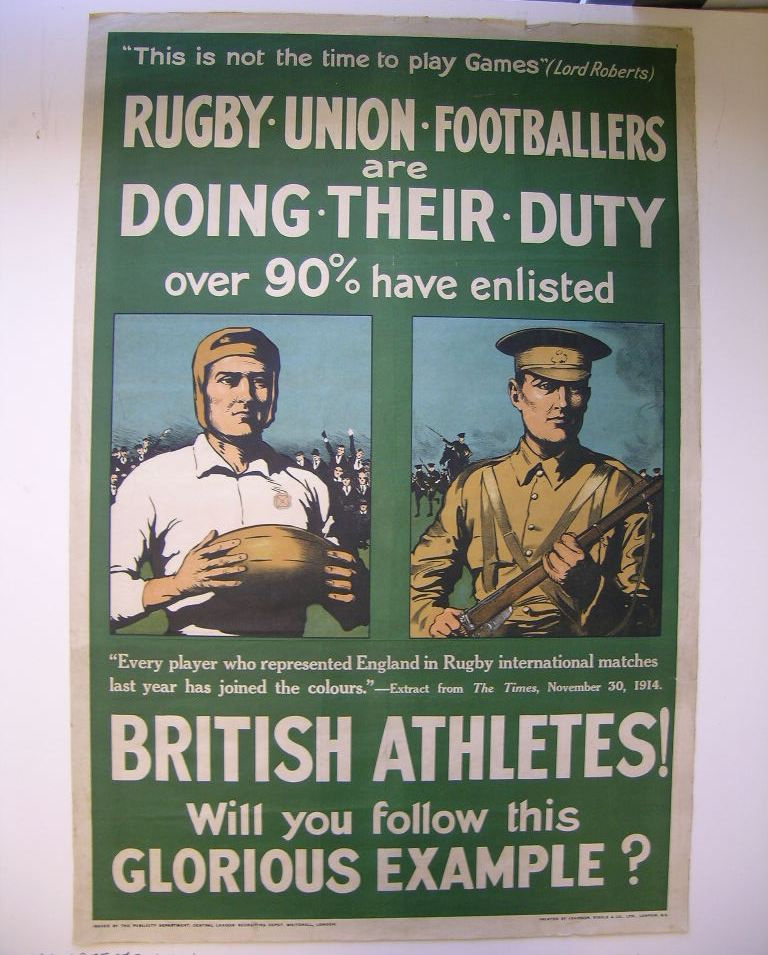
Over 130 rugby internationals lost their lives in the First World War. Thirteen of them played for Wales.
THE 13 WELSH INTERNATIONALS WHO GAVE THEIR LIVES IN THE GREAT WAR
Richard Thomas
Born: Ferndale, 14 October 1883.
Killed in action : Mametz Wood 7 July 1916.
Wales: Four caps, 1906-1909.
John Lewis Williams
Born: Whitchurch, Cardiff, 3 January 1882.
Died of wounds: Corbie 12 July 1916.
Wales: 17 caps, 1906-1911.
David Westacott
Born: Cardiff, 10 October 1882.
Killed in action: Wieltje, 28 August 1917.
Wales: One cap, 1906.
Horace Wyndham Thomas
Born: Pentyrch, 28 July 1890.
Killed in action: Ancre, 3 September 1916.
Wales : Two caps, 1912-1913.
Richard Davies Garnons Williams
Born: Llowes, Radnorshire, 15 June, 1856.
Killed in Action: 25 September 1915 while leading his battalion at the Battle of Loos.
Wales: One cap, 1881.
Charles Gerald Taylor
Born: Ruabon, North Wales, 8 May 1863.
Killed in action: 24 January, 1915 at the Battle of Dogger Bank when his ship HMS Tiger was hit by fire from German cruiser SMS Blucher.
Wales: Nine caps, 1884-1887.
Louis “Lou” Augustus Phillips
Born: Newport, Monmouthsire, 24 February 1878.
Killed in action: Cambrai, on 14 March 1916.
Wales: Four caps, 1900-1901.
Charles Mayrick Pritchard
Born: Newport, Monmouthshire, 30 September 1882
Died of wounds: 14 August, casualty clearing station, Western Front.
Wales: 14 caps, 1904-1910.
Phillip Dudley Waller
Born: Bath, Somerset, 28 January 1889.
Killed in action: Hit by shellfire, 14 December 1917, Arras.
Wales: Six caps, 1908-1910.
Brinley Richard Lewis
Born: 4, January 1891, Pontardawe.
Killed in action: 2 April, 1917 Ypres, France, hit by shellfire.
Wales: Two caps, 1912-193.
William “Billy” Purdon Geen
Born: 14 March 1891, Newport, Monmouthshire.
Killed in action: Hooge, Flanders, 31 July, 1915.
Wales: Three caps, 1912-1913.
Fred Leonard Perrett
Born: Briton Ferry, 9 May 1891.
Died of wounds: 1 December 1918, in a clearing station weeks after the armistice.
Wales: Five caps, 1912-1913
David Watts
Born: Maesteg 14 March 1886.
Killed in action : 14 July 1916 at Bazentin Ridge, France.
Wales: Four caps, 1914.
90 International players (including three Welsh internationals) gave their lives in the Second World War including two legends of the game.
Prince Alexander Obolensky who fled to Britain during the Bolshevik revolution of 1917, he went on to play wing for England; he died in an aeroplane training accident.
Eric Liddell represented Scotland seven times while at university before retiring to concentrate on athletics – immortalised in 1981 film Chariots of Fire; he was later a missionary, and died in an internment camp in China.
THREE WELSH INTERNATIONALS WHO GAVE THEIR LIVES IN WORLD WAR II
Cecil Rhys Davies (1 Cap)
Born: Pontypridd 12 September 1909
Killed in action: 24 September 1941 he was taking part in a patrol over the Bay of Biscay, his aircraft never returned.
John R Evans (1 Cap)
Born: Newport 12 September 1911
Killed in action: 8 March 1943 Sedjenane, French Tunisia
Maurice J.L. Turnbull (2 caps)
Born: Cardiff 6 March 1906
killed in action: 5 August 1944 by a sniper’s bullet in the French village of Montchamp following the Normandy landings.






 Mike Pearce Rugby