Scotland Head Homeward To Think Again

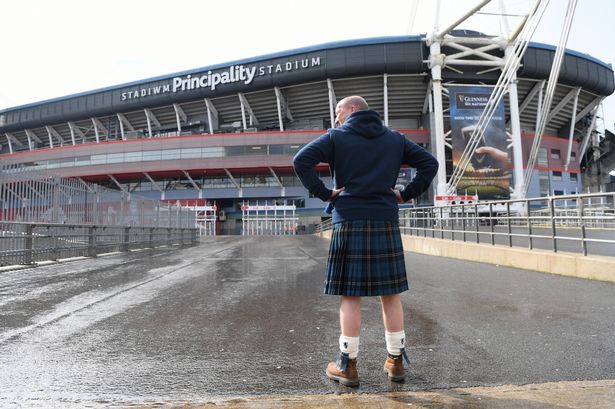
It is 401 miles from Edinburgh to Cardiff, a journey, or rather a pilgrimage that is definitely not for the faint hearted.

That weekend trip to see Wales play Scotland in Edinburgh was perceived to be a test of manhood undertaken by many generations of Welsh fans.

The journey to this game was known as “The Killer” leaving Cardiff at 2100 on Friday night, the train would arrive in Edinburgh at 0700 on Saturday morning, the return journey commenced immediately following the match, with the train leaving Edinburgh at 2100 on Saturday night, and arriving in Cardiff at 0500 on Sunday morning, it was not a journey for the faint hearted.

I know of people who have travelled on this weekend marathon and never even got to see the game, due to socialising a bit too fervently, they returned home with very little memory of the whole weekend, but the moment they got back they started saving to do it all again in two years time.

Yesterday it was our friends from the North who had the dubious honour of travelling, and they did so for once in expectation rather than hope, an unusual and maybe troubling mind set for many of the Tartan Army.

Scotland had not tasted victory in Cardiff for 20 years, their last success a 27-22 win over Steve Hansen’s Wales in 2002.

After a memorable victory against England in the Edinburgh rain, the previous Saturday, a Welsh drizzly version of precipitation welcomed them to a packed Principality Stadium.

In a pulsating match Wales found a physicality so sadly missing in Dublin, and got the better of the exchanges against a tough and talented Scotland side.

For Wales this match was old school, it was about passion, desire and sheer bloody mindedness, it was also old school in the stands with a 73,000 choral legion backing track of Bread of Heaven, Hymns & Arias and Calon Lan.

Nobody epitomised this spirit more than Wales fly half and captain Dan Biggar who received the quantity of in-match medical treatment that would make BUPA shareholders wince. Biggar is a warrior, he eventually limped off just before the end, but not before kicking a 50 metre penalty to within metres of the Scottish try line.

It was Biggar’s One hundredth test appearance and he kicked 15 points including the match winning drop goal in the 69th minute after Finn Russell had been yellow carded for a deliberate knock on.

Scotland with Hogg and Russell can light up the darkest of days, but on this occasion they couldn’t turn up the dimmer switch, the Scots in fairness did very little wrong, it was just that sort of day, Wales simply refused to be beaten.

Ryan Jones the 2005 Wales Grand Slam captain coined a phrase for Wales which was Bouncebackability”, they very rarely give back to back poor performances, Yesterday in the twilight and the cascading misty rain of Cardiff the three feathers shone through the gloom, and honour was restored.

Wales head to Twickenham in two weeks time and Scotland entertain France, this wonderful championship still has a few surprises up its sleeve. Murrayfield has never been a happy hunting ground for France so watch this space. But for now we can all take a deep breath, and after all we have been through in recent years give thanks for big crowds great rugby occasions and most importantly our rugby friends.

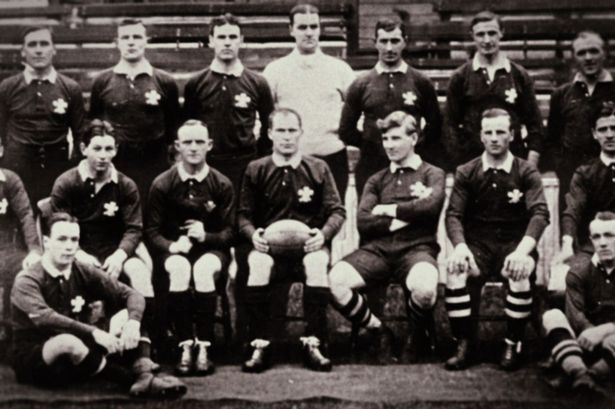
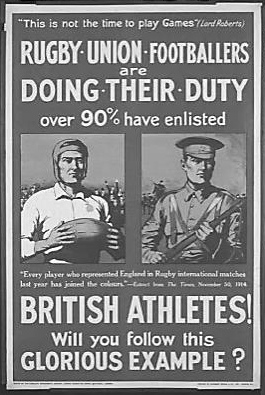
The Wales Team Of 1914 True Heroes

RNP_MAI_081114Team1914_1001JPG

They were rugby heroes but became heroes of the battlefields.

The 1914 team were hugely successful and included many players who had won three Grand Slams between 1908 and 1911.

They were physically tough, and their front eight were known as the “terrible eight”.

Many decades before the game turned professional, the players all worked in various trades, from scholars to coal miners.

One of them, Jenkin Alban Davies from Aberaeron, was both captain and a Christian minister.

Six weeks after their game against Ireland, the First World War was declared, and the 15 players enlisted in the UK war effort.

They played an open style of rugby. We had a good team in 1914, and they had won the Grand Slam several times. They were a close-knit side, and worked hard. Their appearance and athletic ability made them role models to the nation.”

Among the players turned soldiers was Jack Wetter. He was awarded the Distinguished Conduct Medal as a Corporal in the 8th Battalion South Wales Borderers in Salonika, Greece for his gallantry in bringing in the wounded while in charge of stretcher bearers in December, 1916. He won 10 caps for Wales between 1914 and 1924, captaining his country three times. He died in 1967.

140207-rugby-poster-1914

Other soldiers included:

Edgar Morgan who served as Second Lieutenant South Wales Borderers was awarded the Military Cross for capturing a machine-gun post in October 1918. He won his four caps in 1914 and played in two tests against New Zealand on the 1908 Lions (Anglo-Welsh) tour. He also survived the war.

John Morris Clement Lewis served as a Captain the 16 Battalion (Cardiff City) Welsh Regiment, 38th (Welsh) Division. He was wounded in the Battle of Pilckem Ridge but went on to play in the First Five Nations tournament after the First World War in 1920.

*Maesteg Coal miner Dai Watts was killed in action in July 1916 just after the capture of Mametz Wood. His name is on the Thiepval Memorial to the missing of the Somme as his body was never found.

One of the so-called terrible eight, Jenkin Alban Davies was Wales captain in 1914. He enlisted early in the war in the Royal Army Chaplain’s Department and served as Chaplain to the 6th Battalion of the Welsh Regiment and later became Chaplain to the Royal Field Artillery. He became a prison chaplain in South Africa after the war and emigrated to California. He died Los Angeles in 1976.

The Wales v Scotland 1914 team with caps in brackets:

Percy Jones (Pontypool – forward eight caps);

Thomas John (“TC”) Lloyd (Neath – forward seven caps);

Edgar Morgan (Swansea – forward four caps); (Referee);

Dai Watts (Maesteg – forward four caps);

Harry Uzzell (Newport – forward 15 caps);

Jack (“Bedwellty”) Jones(Abertillery – forward four caps)

Ivor Thomas Davies (Llanelli – wing three caps);

Clem Lewis (Cardiff – outside-half 11 caps);

Jack Bancroft (Swansea);

Alban Davies (Llanelli – forward seven caps);

George Hirst(Newport –wing six caps);

Jack Wetter (Newport – centre 10 caps);

Tom Williams (Swansea – forward six caps).

William Henry Evans (Llwynypia – centre four caps)

 Robert “Bobby” Lloyd(Pontypool – scrum-half seven caps).

Wales In The Autumn Deja Vu All Over Again

It has always been this way in Wales, in rugby we do not enjoy the mellow fruitfulness of Autumn, it is as if we descend into a semi hibernation, saving ourselves for winter, and the heralding of a new year that brings about a renewed vigour and an oval ball restoration, as a new Six Nations Championship appears on the horizon.

This year has been no different. Wales have struggled. As the leaves continue to fall, the players, like the dark brown leaves, have also fallen in significant numbers.

The injury list was extensive at the start of the campaign, and it has only increased week by week over the hectic bruising and exhausting month.

On Sunday night the Welsh casualty list had increased even further, the roll call of the wounded alarmingly high. Alun Wyn Jones, Justin Tipuric, George North, Ken Owens, Ross Moriarty, Will Griff John, Leigh Halfpenny, Josh Navidi, James Botham, Dan Lydiate, Josh McLeod, Dewi Lake, Leon Brown, Will Rowlands, Rhodri Jones and potentially Louis Rees Zammit.

Autumn 2021 began with a heavy defeat against by the All Blacks. Wales battled and rattled the World Champions, South Africa, in the Cardiff rain, a week later, and fell agonisingly just short.

Fiji followed, now if there are two words that conjour up images of Welsh rugby anguish, they surely must be Autumn and Fiji, combine the two and you have the perfect storm, as was reflected on a sunny Remembrance Day in the capital, despite the flattering scoreline in Wales favour it was, as famously quoted by Yogi Berra “Deja Vu all over again”

Yesterday the last men standing took on the Wallabies in a match that incorporated just about every rugby thrill and spill possible, red card, yellow cards, a disputed try, and a last minute penalty that gave Wales victory by the narrowest of margins.

For a Wales a victory over Australia however ugly, will be rightly celebrated, and with the blooding of so many new faces, maybe for Wales this will bear fruit in future challenges that lie ahead.

The month of November is nearly over and thoughts will soon turn towards the Guinness Six Nations, there will be a spring in the step and pulses will race that little bit quicker, for Wales, winter is coming.

Somewhere Over The Rainbow

The rainbow that appeared above the Principality stadium yesterday evening had a notable omission at the end of it. Instead of a pot of gold it had a crock of something far less fragrant, at least as far as Wales were concerned.

In Welsh international sport the 1950’s are a permanent milestone, or should that be millstone ? around the National neck, and the efforts to overcome two particular sporting barriers seem to become more desperate and elusive as each year passes.

In the round ball game Wales heartbreaking efforts to qualify for a World Cup tournament have not been successful since 1958, the incidents and accidents are catalogued and replayed every four years, crossbars and hand balls fill our thoughts in the wee small hours.

When it comes to rugby, Wales wonderful recent history, and indeed a large part of its glorious past, has one notable date that we cannot shake off, December 19 1953, the last time Wales beat the New Zealand All Blacks.

The 2021 All Blacks were in town at the weekend, determined not to become the team henceforth known as the side that lost to Wales. Their fears, if indeed they had any, were very quickly dispelled.

It took barely three minutes for Beauden Barrett to race fifty metres and touchdown between the posts for the All Blacks opening try.

A Wales team missing 20 players battled bravely and were still in touch until the 64th minute when the All Black tsunami hit with three tries in seven minutes which ripped the heart out of Wales, and secured a 54-17 win for the men from the land of the long white cloud.

An awful lot has happened since Feb 2021 when 75.000 turned up to watch a new exciting young French side steered to victory by the equally young and exciting half backs Ntamack and Antoine DuPont

It had been Twenty months since Wales last played a competitive home game in front of a capacity crowd at the Principality Stadium

On Saturday It was just like old times, the streets were packed. The City Arms and the Owen Glyndwr bursting at the seams with Scarlet clad men clutching pint glasses, whilst at the Duke of Wellington, quite aptly, there were more Fern leaves than feathers, as the All Black supporters congregated for pre Haka hydration.

During the stresses and strains of lockdown, amidst the awful casualties and losses of a cruel pandemic, an evening like this was always in the back of our minds, a mental oasis filled with images of floodlit dewy emerald green grass, a national anthem being belted out, and those wonderful red shirts shining brightly in the Cardiff evening, and here it was, at last, for real.

If Carlsberg did National Anthems then there is no doubt that Hen Wlad Fy nhadau would be available in bottles, cans and on draught, on this memorable evening it had an extra dimension, Gwlad, Gwlad released an awful lot of bottled up emotion for those who have suffered in human and sporting terms.

For the 75,000 that were there to witness it, this was a night that warmed the heart, despite the result, as sporting normality returned to this magical patch of green in the centre of the nation’s capital city.

As the sea of red streamed out of the stadium, it parted down Quay Street and syphoned off into the City Arms, the Owen Glyndwr and down the Hayes to the Duke of Wellington, sorrows had to be drowned before attentions turn to next Saturday when the World Champions arrive in town, when hopefully the beverages imbibed will be of a celebratory nature.

Springboks See Off Big Cat Challenge From The Pumas

Another big cat lay in wait for the Springboks on Saturday.

Having dispatched the British & Irish Lion, (russellushopeus) with its tail firmly between its legs, the next feline on the block was the Puma.

The Springbok (erasmuscheatus) can reach speeds of up to 88km per hour but needs water every 30 seconds, whilst the Puma is only slightly lagging behind at a maximum of 80.

Both teams paid very little homage to their animal namesakes in the running department, but the Boks out muscled a Pumas outfit that could not gain any momentum and consistently infringed.

Springbok coach Jacques Nienaber deflected all credit onto the players for the Springboks’ 32-12 Castle Lager Rugby Championship victory over Argentina in Nelson Mandela Bay on Saturday.

The starting XV showed 10 changes to the team that had secured a series victory over the Lions seven days earlier but still overcame a strong Pumas team.

“The work the players put in was awesome,” he said.

“We had a couple of beers on Saturday after the Series win, but we knew we were going straight into the Rugby Championship, and on Monday when I started the first session, I could see the guys were really clued up and ready to go”.

“We knew that playing five tests in a row was a big ask and we made a couple of changes, but you could see the freshness of the players who had come in, after not playing for a few weeks some of them”

“We had a defence session on Wednesday and you could see that some of the guys that had played on Saturday were a bit iffy, but the new guys were climbing into the session and were raring to go.”

South Africa scored three tries to nil to complete a bonus point win before the second meeting between the teams at the same venue next Saturday.

“We knew that cohesion would be an issue with so many changes, but the guys got really stuck in. Argentina are a tough nut to crack but hats off to the players – I thought their analysis they did was spot on and the plans they put in place were great.”

Nienaber revealed that captain Siya Kolisi had been a doubtful starter after suffering from a stomach bug during the morning, but had decided, in conjunction with the medical team, that he was fit enough to play.

Kolisi said that he had had every confidence in the team’s ability to cope with the changed line-up.

“The one thing that I love about this team is that there are no ‘senior’ players or anything like that, and everyone had their own job,” he said. “If something goes wrong in the maul, at the breakdown or in the scrum we know who to look to to fix it.

“We were never in a panic today; we were in control a lot of the time.”

The Springboks scored tries through Cobus Reinach, Aphelele Fassi and debutant Jaden Hendrikse with Elton Jantjies landing six out of seven kicks at goal with one conversion and five penalties.

The Pumas failed to cross the whitewash and all their points came from the boot of Nico Sanchez.

The win puts the Boks second to New Zealand in the Rugby Championship after the first round on points difference’ the Boks 20-point advantage over Argentina, edged by New Zealand’s 35-point difference from their 57-22 win over Australia.

Nienaber said the coaching staff would consider the medical feedback before considering the line-up for the second test.

“There’s a lot of thigs we have to take into consideration, but player welfare will be a big factor,” he said.

Oh Flower Of Scotland


In France they call it “Le petite morte,” the moment when that unwanted visitor, sporting retirement, arrives at your doorstep. The English translation, “The little death”, may sound like a gross exaggeration, but to all those who have experienced it, a little death it most definitely what it feels like.

Retirement, and knowing when the time is right to retire, is undoubtedly one the hardest moments of anyone’s sporting career, even when it is decided on one’s own terms.

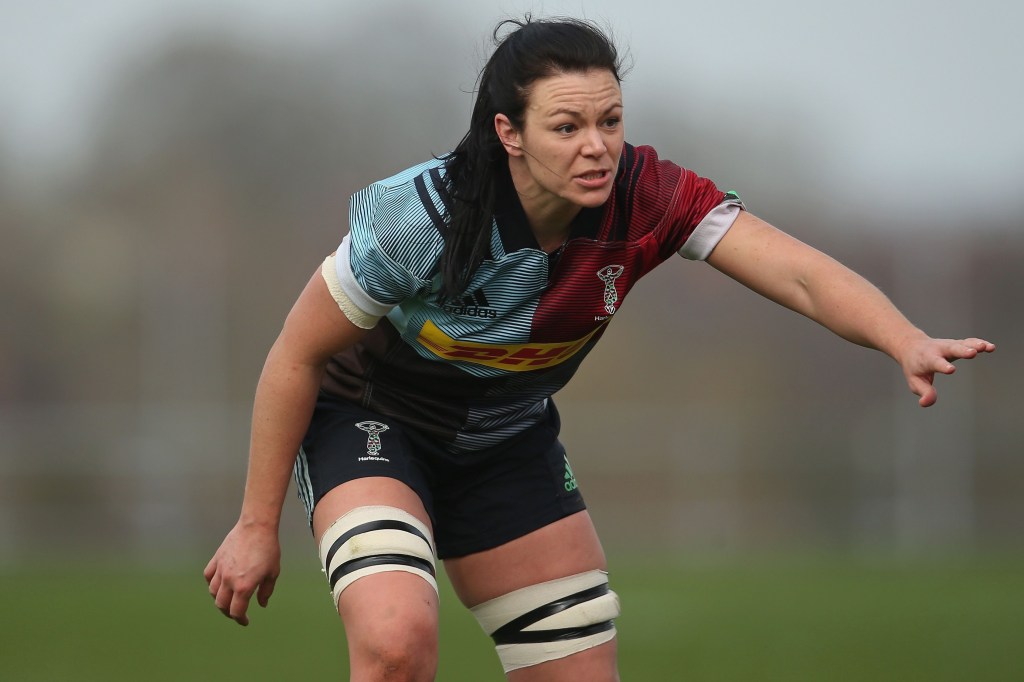
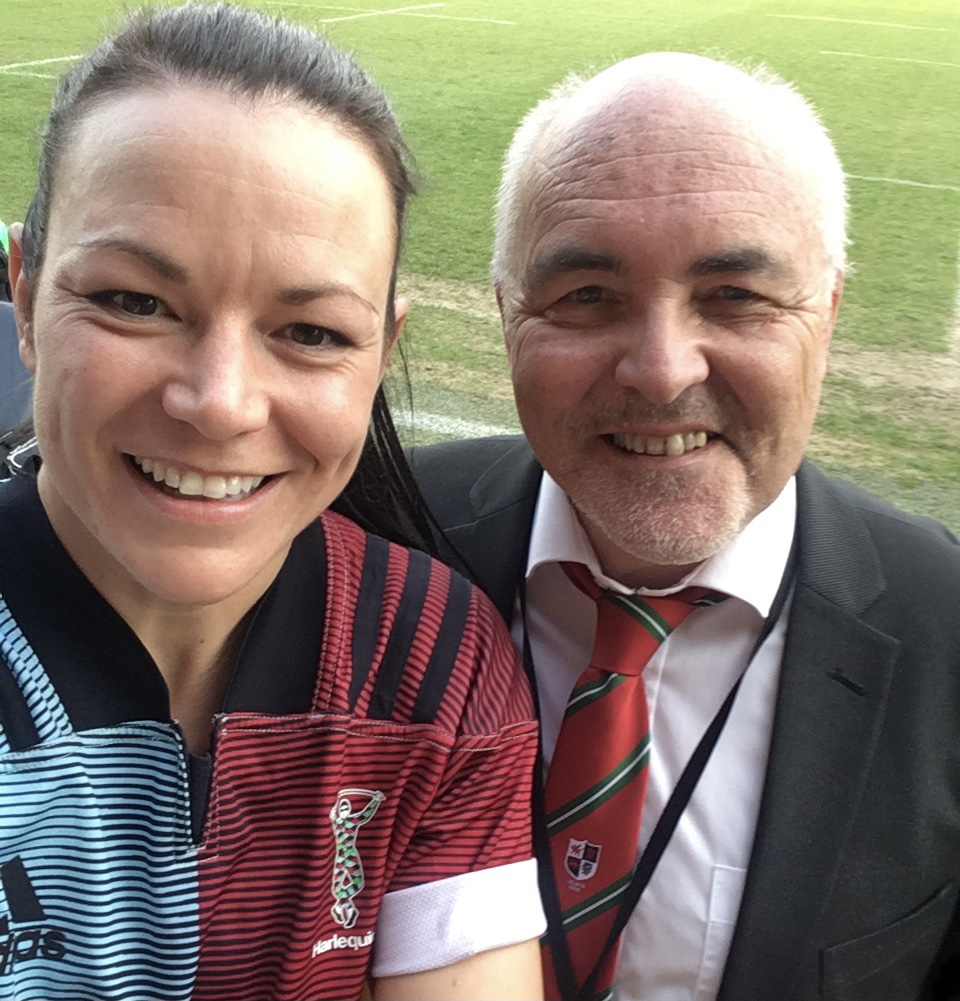
Harlequins and Scotland lock Debs McCormack did everything on her own terms during a long club and international career, so it comes as no surprise that when it came to the agonising moment of dealing with sporting retirement, she had the strength of character, and the wisdom, to make that difficult decision.

I have been extremely fortunate to have seen and meet some of the greats of the game from Gareth Edwards to Dan Carter, and with my hand on my heart I can honestly say I have never come across a greater team player than Debs.

As I write this piece I can almost see Debs squirm, compliments and praise, even when they are justified and worthy, do not sit easily on her sore and modest shoulders.

I don’t think Debs will ever realise just how good a player she was, or indeed how popular she was with team mates, fans, and journalists alike, only because that does not fit in with the humble way in which she operates.

I could list so many examples that I have witnessed first hand of her modesty and selflessness, but I’m afraid it would necessitate me writing another book just to get close to listing them all.

Once “Le petite morte” has had a decent mourning period, I really hope that Debs will allow herself the time to look back with pride, and a great deal of pleasure, at what she has achieved in the game.

Rugby, and in particular the women’s game, will be all the better for her legacy, those following in her wake will find the path that little bit smoother, thanks to her and others.

Debs epitomised and displayed everything that is good about our wonderful game, she respected and demonstrated its values with honour, and there is no greater compliment I can pay her than that.

I count myself fortunate that I was able to witness at close hand the latter part of her rugby playing journey, including her 30th Scottish cap, which at one stage we both believed was cursed. But come it did, eventually, against France in Lille, in the 80th minute, a moment I witnessed in a Parisian hotel on French television. I’m pretty sure my shouting at the TV was the catalyst for Scotland coach, Shade Munro, to bring Debs off the bench.

How she balanced university, a job and elite rugby I have absolutely no idea, but she did so with apolomb, and despite the huge demands on her, Debs always still found time for everyone who needed a chat, an encouraging word, or just a smile.

Rugby gave her a lot, but in return she also gave rugby everything she had, Harlequins and Scotland were the lucky recipients of her unconditional loyalty. Debs was never one to make a fuss, even during a long injury spell, when diagnosis of the problem proved elusive, in fact her shoulder still isn’t right, and was one of the factors in her announcing her retirement. She sometimes felt a fraud, even though she was in constant pain, questioning inwardly whether people believed her, imagining she was letting folks down, and whether or not the whole thing was in her head, but of course we all knew nothing could be further from the truth, it always took something major to keep Debs off the field of play.

Her career and statistics have been written about by those more eloquent than myself, following news of her retirement, released by Harlequins Women on Saturday 8 August.

31 caps for Scotland, 23 competitive appearances for Harlequins Women, including two Tyrrells Premiership finals, reveal the impressive bare facts but her rugby career was about far more than that.

A try for Scotland against Spain in a World Cup qualifier, and tries in the semi final and final of the 2017 Tyrrells Premiership for Harlequins are wonderful memorable moments, as was her hat trick of tries down under for Sydney outfit Eastern Suburbs against Wollongong, a performance that earned her a place in the Shute Shield team of the week.

Jade Konkel has been behind Debs, quite literally, as number 8 for Harlequins and Scotland, and she summed things up perfectly.

Debs’ Motherwell Gran made it possible for this flower of Scotland to bloom in the thistled shirt, and I feel certain she will be looking down with pride at what her girl has achieved, and in the impressive and dignified manner with which she has achieved it.

Debs we salute you and thank you, for enriching our lives on and off the field. Those playing days are passed now, I’m not sure we will we ever see your like again, but as flowers of Scotland go, you were without doubt the pick of the bunch.

The Lion Sleeps Tonight

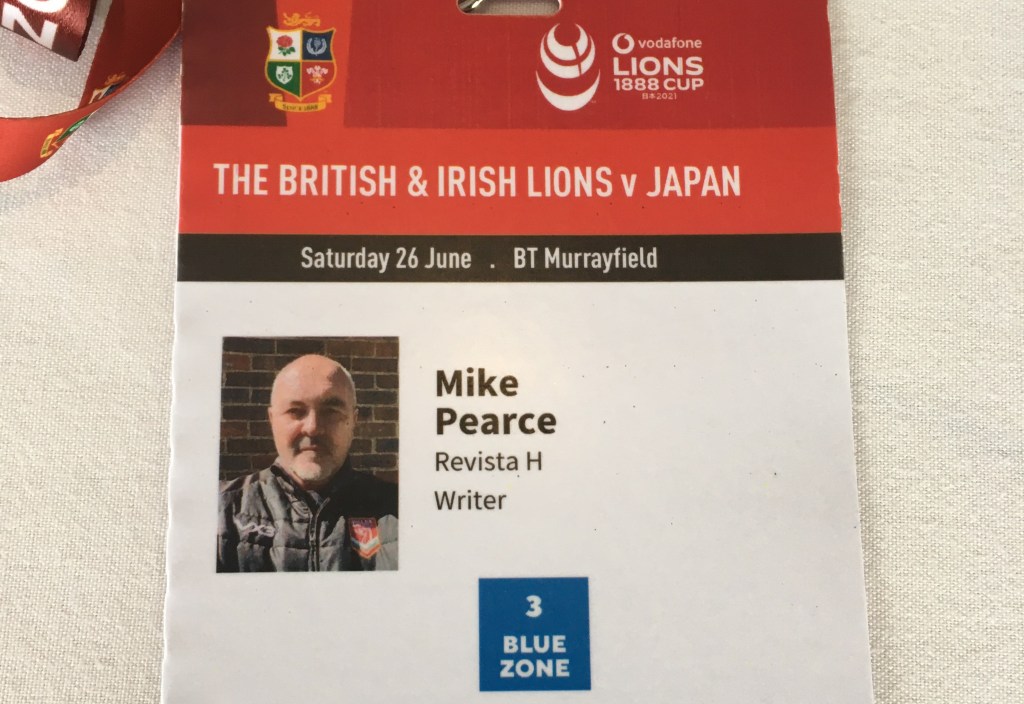
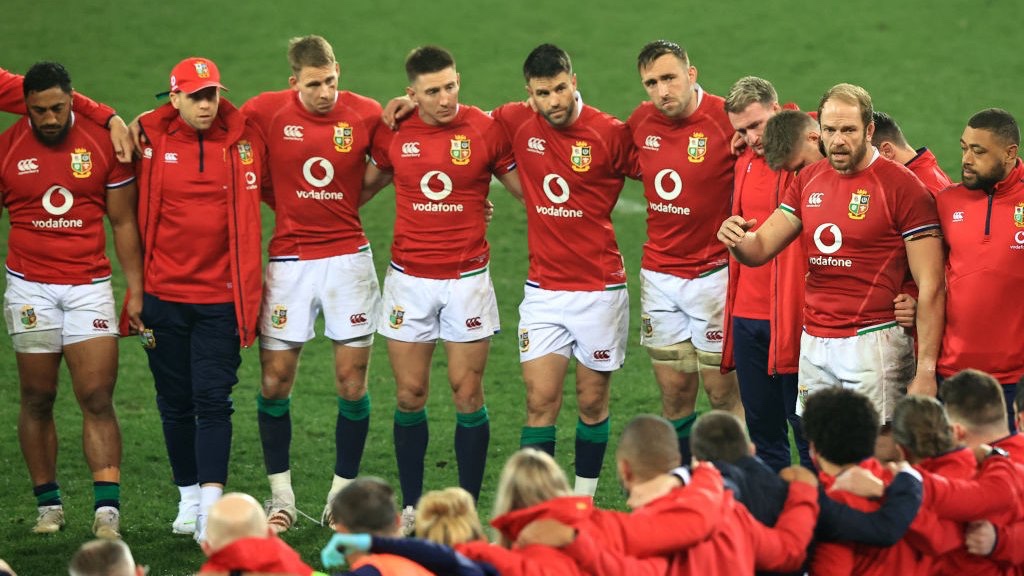
It seems an age since the Lions played Japan at Murrayfield on that muggy June Saturday afternoon, and yet here we are six weeks later with the 2021 tour finally at an end.

In the jungle, the mighty jungle of international rugby,the lions were just a win away, rather than aweem away, from an historic series victory against the Springboks.

So much has happened during that time dislocated shoulders, the inevitable Covid issues, and of course Rassie Erasmus who has gone from watergate to a social media viewing audience only the bloke with a dog called “Fenton” could match.

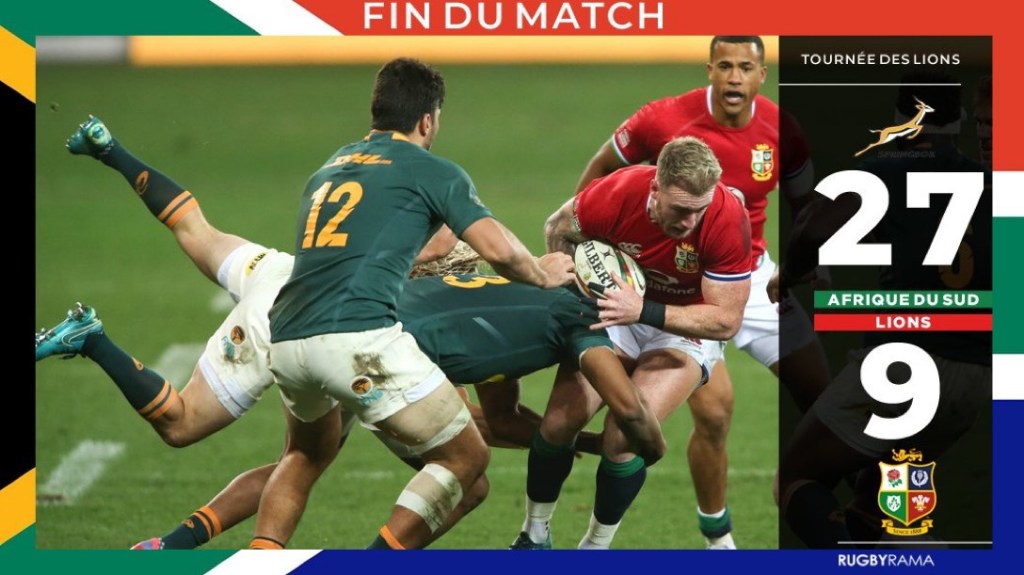
On Saturday the third and deciding test was won by the Springboks by a three point margin in a match that the Lions could and should have won.

It has been a tough time for all those involved in ensuring this series went ahead, and whilst the quality of the rugby may not have been vintage, a lot of people have worked tirelessly, and made a lot of sacrifices to get the job done.

If nothing else happens as a result of this series, please can we start clearing the playing area of the hoardes of individuals cluttering it up. From squad members warming up and celebrating tries in the in-goal area, to water carriers and medics passing on coaching advice during every break in the game.

Speaking to fans a real bug bear is the fact that those folks who have bought expensive tickets at international matches and are situated behind the posts in the front rows, get eighty minutes plus viewing of players warming up, and in some cases discreetly urinating, in their eye line, of course if South Africa are involved this can extend for up to three hours.

The anticipated Lions tour to Australia in 2025 will surely be a much more joyous affair in so many ways, particularly with a decent rugby man, Dave Rennie in charge of the Wallabies.

My boyhood wonderment and admiration of the Boks has been soured during the test series, and not by the players, I’m angry and saddened that it has been taken from me those who have no right to do so.

But for now we can all take a deep breath and return to more worldly and pressing matters.

So as the exhausted touring party stretch out on the 11 hour 40 minute flight from Cape Town to Heathrow, we can safely say the Lion sleeps tonight.

Lions And The Cape Of Good Hope

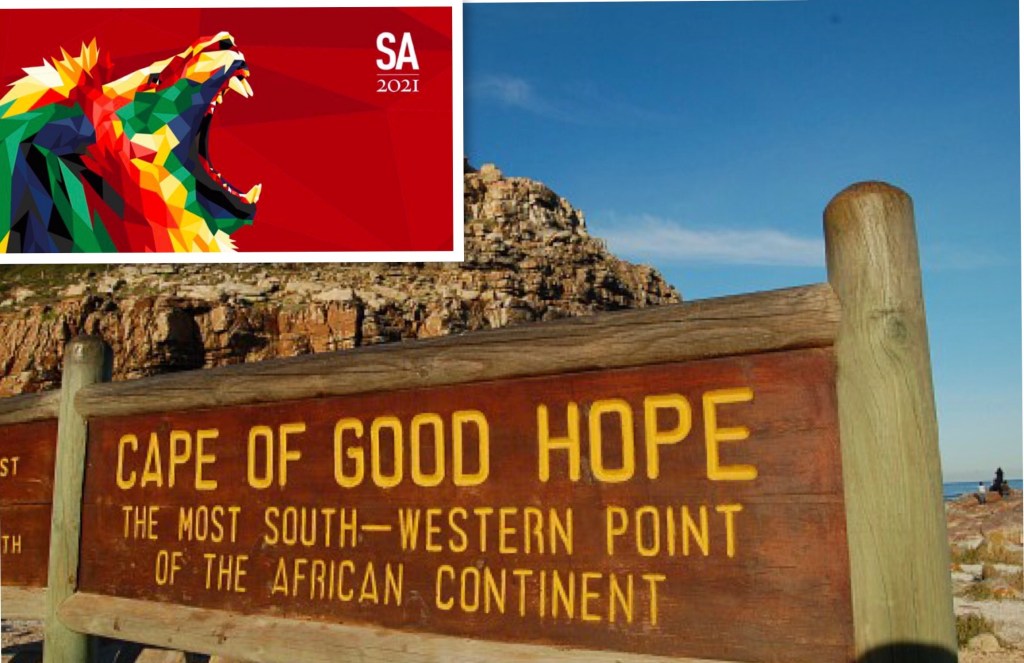
Cape of Good Hope, the most southerly point of the African continent is 70 kilometres miles from Cape Town, the point at which the Atlantic and Indian Oceans meet, where the warm Arguilhas and the colder Benguela Currents merge.

This mixing of two currents, and sea temperatures, results in the aquatic turbulence that gave the point its original name, the Cape of Storms.

The name was changed by John II of Portugal to reflect the optimism of it becoming a shorter route from Europe to India by sea. “The Cape” has been and still is a global landmark for sailors rounding the African coast, as it marked a significant waypoint in the Cape Route and Clipper Route for ships operating between Europe, the Far East and Australia.

There has been a storm brewing all week in the area, and on Saturday it hit the Cape Town Stadium.

Lions fans had plenty of good hope of their own after a first test victory sevens days earlier, but with the Springboks fighting for their rugby lives, the visitors knew they had to batten down the hatches and weather an onslaught.

In a match that latest slightly longer than a Rassie Erasmus video, but was equally as unwholesome at times, the Lions after riding the waves in the first half were hit by a green tsunami in the second period.

The officials looked in need of a lifeguard in the early stages as their decisions were nervously and uncertainly delivered, maybe they could see the Boks water carrier was blocking their eye line.

So we head to a decider next Saturday, in Cape Town.

Once the citings and videos are done and dusted the focus will rightly turn to those that really matter the players and officials.

Around the Cape of good hope the deep depression that settled in late Saturday night is looking to give way to brighter skies for the Lions by next weekend, although Rassie’s meteorological midweek video may cloud the issue.

Robust Red Provides Wonderful Aftertaste In The Western Cape

The climate in the Western Cape is perfect for wine production, with the ideal combination of cool, wet winters and warm dry summers.

The breezes from the mountains, and the Atlantic and Indian oceans, help to cool the vineyards, and slow the ripening process to create intense fruit flavours.

There are many kinds of red grape grown in Cape Town, Pinotage though has a special place in local hearts because it is the only grape that is unique to South Africa. It was invented at Stellenbosch University in 1925. A hybrid of pinot noir and cinsault, Pinotage is a bold and complex wine with a deep red colour. Depending on the age of the wine, you may taste notes of red berries, spice, and chocolate or coffee.

On Saturday there was a different red in town, a British and Irish blend, this one may not have been vintage, but boy did it have kick, and a delicious aftertaste.

The old cliché, a game of two halves, describes the first test between the British and Irish Lions and South Africa perfectly.

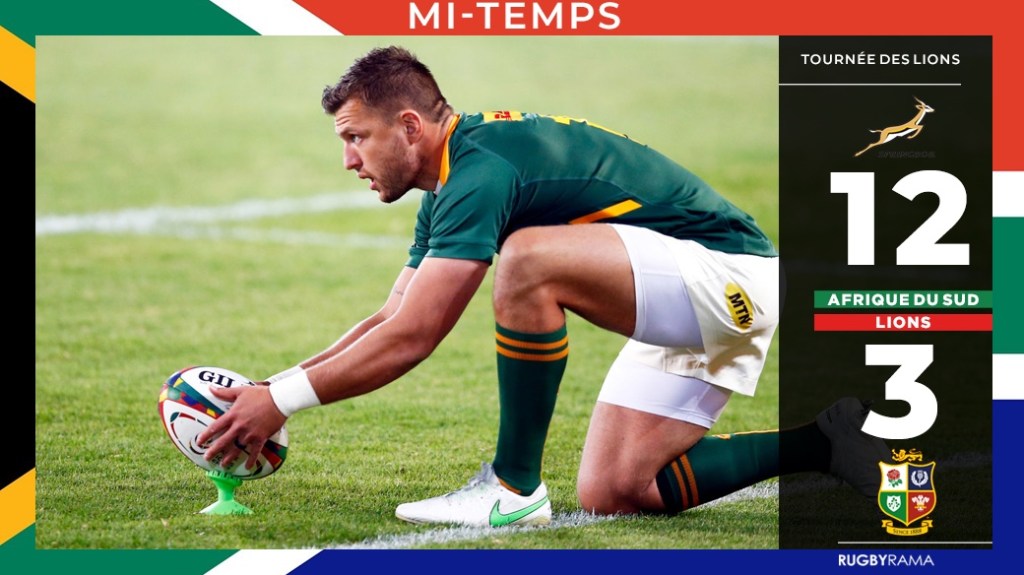
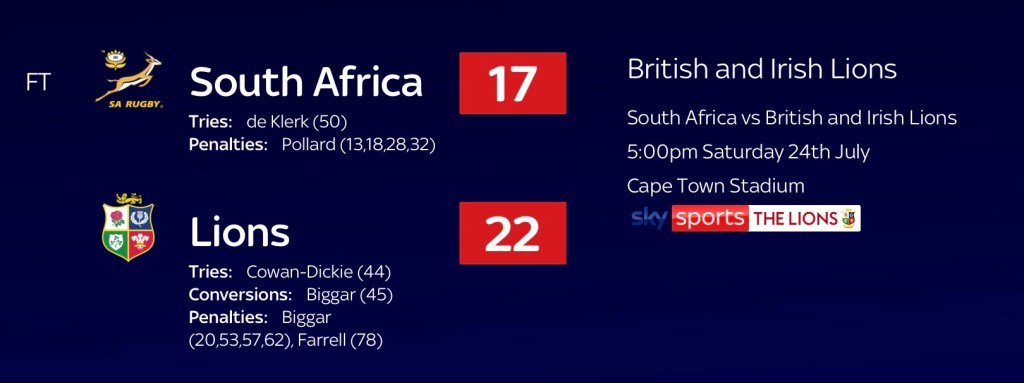
South Africa were 12-3 up at half-time thanks to four Handré Pollard penalties, with Dan Biggar kicking one of his own to make sure the Lions were on the board at the interval.

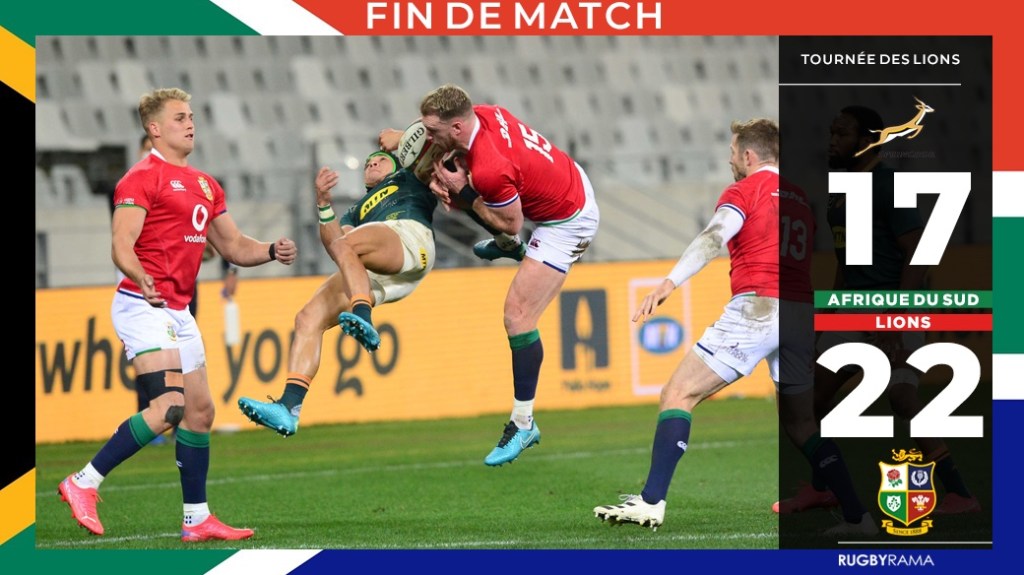
However, an immense second-half comeback saw the Lions overcome the nine-point deficit to win 22-17 and put Warren Gatland’s men one win away from claiming their first series win in South Africa for 24 years.

Having not played at their best in the opening 40 minutes, a change in tactics was the reason for the remarkable turnaround.

In the opening 40 minutes the Lions didn’t have control, looking unsure tactically, they started the second half with a kick and chase, and after being awarded a penalty, captain Alun Wyn Jones decision to go for a kick to touch, and a line out catch and drive resulting in a try for Cowan-Dickie set the tone for the rest of the game.

The Lions looked really comfortable and composed in their own half, and they played possession and territory well in the second half.

In a 10 minute period South Africa conceded five penalties, and then began to look fatigued, unable to find answers to the questions posed by the men in red, who grew in stature the longer the game went on.

Wales and Lions 2017 captain legend Sam Warburton was full of praise post match

“The belief has just shot through the roof,” he said.

“Ali Price continued to box kick well, Van de Merwe performed well. Conor Murray came on and Owen Farrell did well. The kicking game was so much better in the second half and that was the biggest difference”.

“I do think the one moment in the match which was pivotal was when Alun Wyn Jones chose to kick to the corner and not go for the three points. We look back at that now and that’s a massive call.”

One player who received particular praise for his performance was player of the match Maro Itoje, who was a permanent nuisance for the Springboks throughout, his timely turnovers, and his physicality around the pitch went a long way to earning him the man of the match award.

Photo Courtesy British & Irish Lions

“I think the Lions were smart and excellent for 40 minutes and that will give them huge confidence to go from 12-3 down and turn it around and win. I think they’re in the driving seat now.”

“He really showed what an incredible player he is, and he has the work rate of an engine. At the end of the game he was on his back. When you have a player like him in the side it’s not about what he says, you look over at the side and think if Maro’s still doing it, I better still be doing it.

“One key moment for me was when Maro Itoje ran into [Eben] Etzebeth and got absolutely battered. I thought that wasn’t a good sign, but that seemed to wake him. It was like he thought maybe this was going to be an easy game and just got kicked into gear. He was brilliant.”

So we look forward to the Second test on Saturday, a match where the Springboks will throw the kitchen sink, and the washing machine, at the Lions.

The Lions glass, with or without Pinotage, is half full, but they will have to show an awful lot of bottle next weekend in the face of a wounded Springbok. Another win and they will be surely be painting the town red.

Argentina v Wales It Takes Two To Tango

The similarities between Buenos Aires and Cardiff are few and far between, but a juicy steak and a glass of Malbec, pre match, can fool the senses, and the emotions, prior to an exciting encounter at the Principality Stadium between Los Pumas and Wales.

Temperatures in the Welsh capital were more Cordoba than Cardiff, as the thermometer hit 90 degrees, it was so sultry and steamy you could almost hear the Latin orchestra in the back streets.

In Argentina the tango developed in the working class neighbourhoods at the end of the 19th century, its lyrics speak of nostalgia, sadness and a lament of lost love.

But Cardiff is not exactly Buenos Aires, in fact the only tango you’re likely to find here will be in the fizzy drinks section of Tesco Express.

The Pumas have been in a tango state of mind since the 2015 Rugby World Cup, where they showed us their “moves”, but have been somewhat out of step since that wonderful tournament, they rediscovered their rhythm wonderfully in November 2020 when they beat the All Blacks 25-15 in Sydney.

Wales were supposed to playing Los Pumas in Argentina this summer , but coronavirus ensured the two test series was switched to the Welsh capital.

Wales were slightly flat footed when the teams drew 20-20 last Saturday and were looking for a more polished performance in this series decider.

They dispensed with the tango and went for a “Fox” trot as Jon Davies made a break straight from the Argentinian kick off, sadly for Wales it proved to be a long hard afternoon where they were outmuscled, and failed to gain any momentum as error after error strangled their efforts.

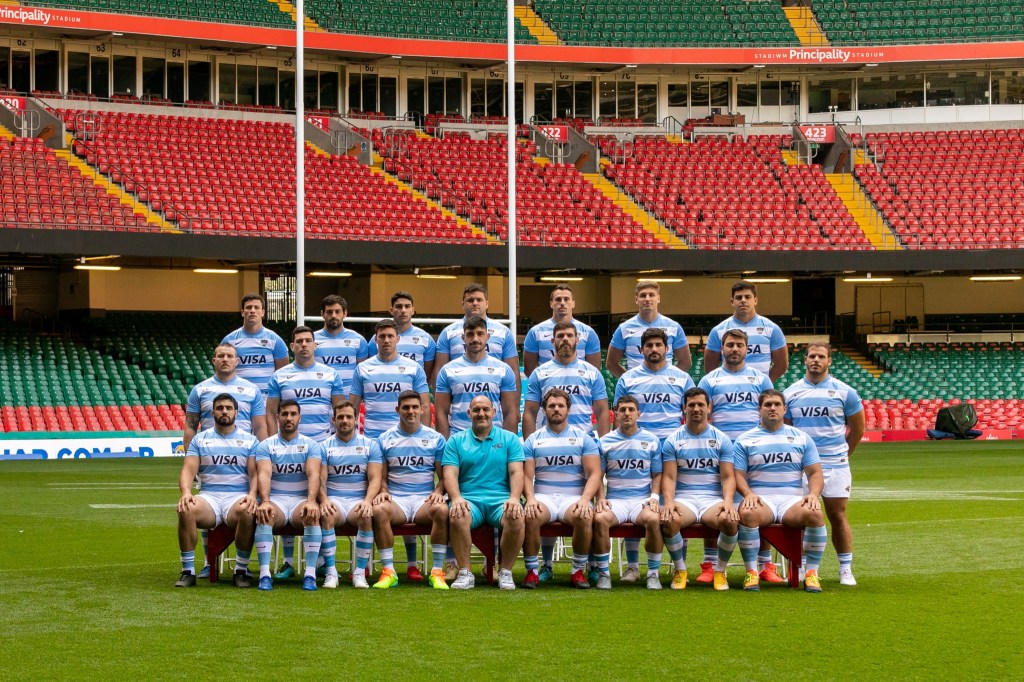
It’s worth bearing in mind that Wales were missing 27 players through British and Irish Lions duty and injury, whilst this was a full strength Argentinian outfit.

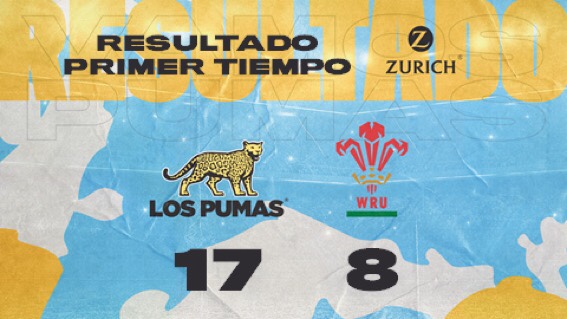
Wales took the lead after a wonderful move finished by an Owen Lane touchdown, however two first half tries for Moroni and Cubelli along with Nico Sanchez boot gave the Pumas a 17-8 half time lead.

Wales scored the opening points of the second half with a Jarrod Evans penalty narrowing Argentina’s lead to 17-11, but the home side barely fired a shot after that, and 3 penalties from Sanchez plus his conversion of Pablo Matera’s try gave the Pumas a convincing 33-11 victory.

So after 14 internationals it was Wales last dance of a long season whilst Argentina look forward to tripping the light fantastic in the Rugby Championship, they certainly didn’t put a foot wrong in Cardiff.