The SportsDragons Monday Night Roar Home Sweet Home

After sweltering sun filled days and sticky sleepless nights in tropical temperatures, I have arrived back in the UK, to find the rugby season in full swing.


After only the second weekend of action, injuries are already taking their toll.

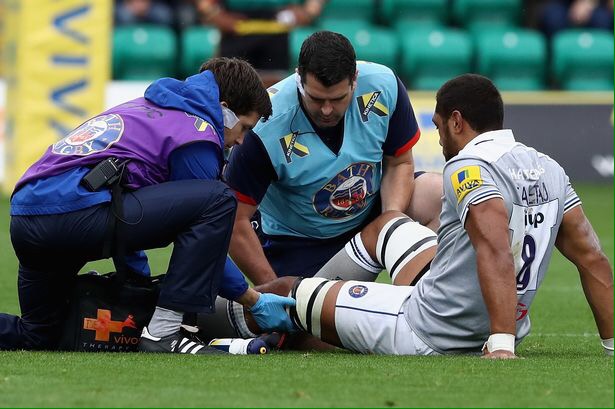
A member of the press commented, prior to last weekend’s opening games, that Taulupe Faletau never gets injured and never misses a game, after 12 minutes of his debut for Bath both statements were well and truly confounded.

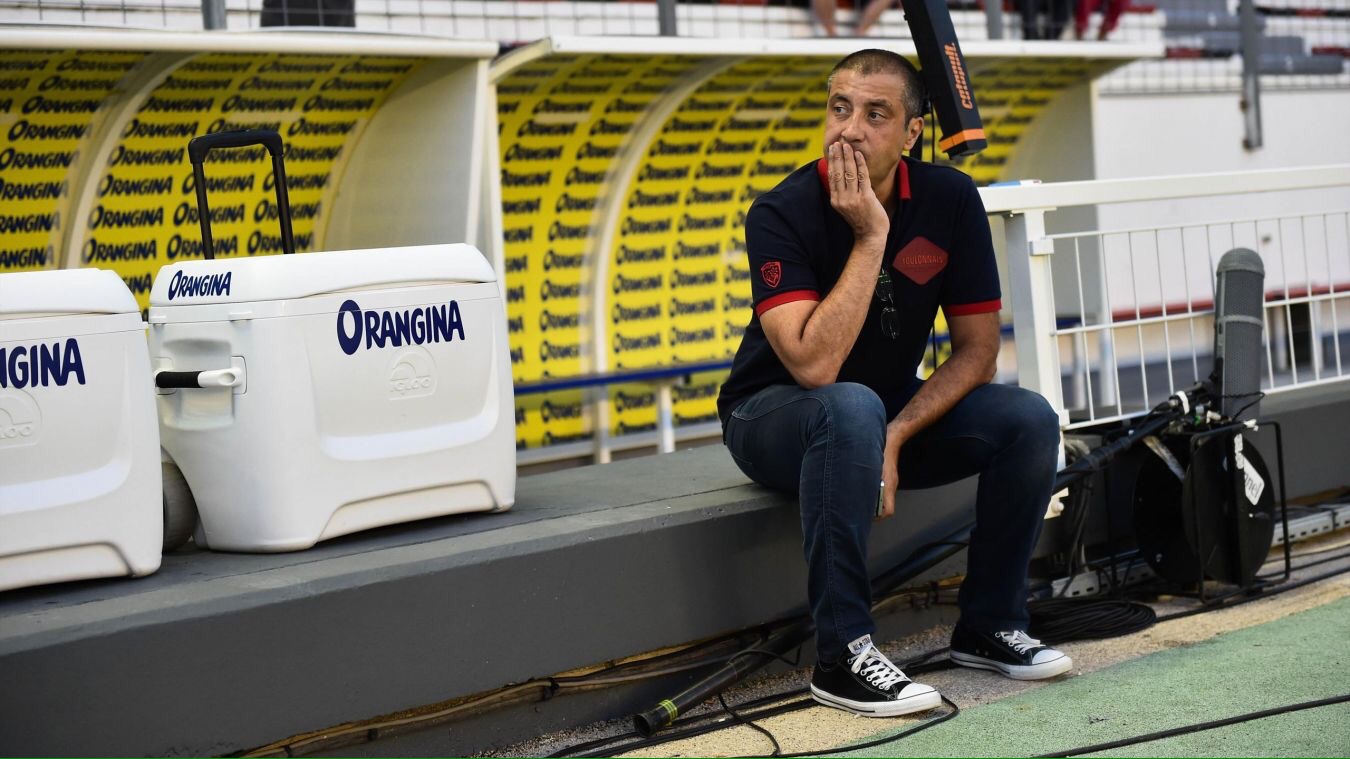
In France Toulon coach Diego Dominguez looked like he would  be receiving  his P45, following a home defeat to Brive, in week 3 of the Top 14, but a convincing 32-15 win away to Toulouse yesterday has certainly given him some breathing space. 

Mourad Boujallel, rugby’s answer to Alan Sugar, has categorically denied that Fabien Galthie is primed to take over from Dominguez, so we can expect the former France scrum half to move in sometime soon.

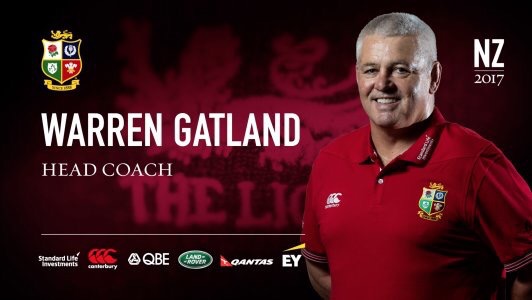
Warren Gatland was revealed  as Lions coach last week, surely the worst kept secret in rugby history, a situation made even more embarassing when social media plastered photos of Warren, at a photo shoot on the streets of  Edinburgh, dressed in a lions polo shirt, the night before the announcement was due to be made.


The forward pass has hardly been rugby’s blot on the landscape , but it has now suddenly become an enigma wrapped in a riddle, with refereeing directives focusing on hands pointing forwards or back or is it up or down ?, let’s just go back to allowing the man in the middle to make the call as he sees it.

The directive has created more problems relating to the forward pass rule in the space of a week than I can recall over the last forty seven years added together.


Finally it was on this day, September 12, in 1981 that one of the most bizarre rugby international matches took place, between New Zealand and South Africa, at Eden Park Auckland, refereed by Clive Norling.

A match marred by violence outside the ground, and  flour bombing from a light aircraft on to the field of play during the match.

As for the result ? Home Pride won in the end 25-22

Missing In Action

HOME THOUGHTS FROM ABROAD


The rugby season has just kicked off in the UK and where am I ?

At the heart of the action you would assume maybe Twickenham for the Aviva premiership double header, or perhaps Parc y Scarlets to see a new exciting back line in action against Munster.

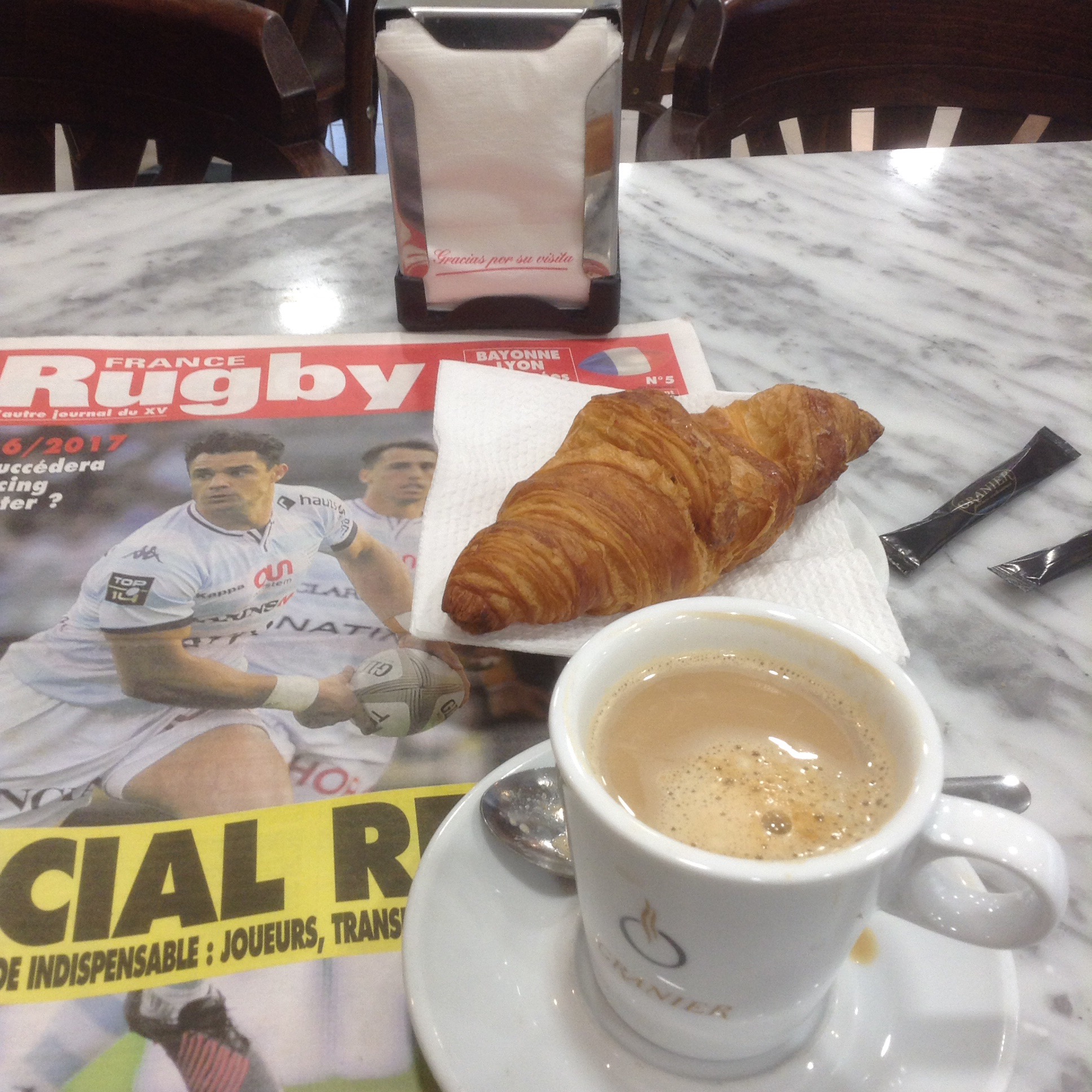
I’m afraid you are wrong on both counts, I am sitting in a cafe in Catalunya in thirty two degrees heat (timing was never my strong point).

As the bright golden morning sun glints off the sea, my Cortado is bightingly strong, the beverage equivalent of a Mamuka Gorgodze tackle, the man himself is a few miles up the road, across the border, getting ready to face Brive, as France’s Top 14 reaches the third week of it’s never ending season.

So, what does the new season hold in store ?

Length is one thing that is guaranteed, as players have to negotiate domestic leagues, European competitions, Autumn internationals, and if any are left standing at the end of all that, there is a Lions tour to New Zealand.

The only way top players will get a rest is through injury, or if their team suffers an early exit from European competition.

Despite the constant lip service from all parties to improving player welfare, the nessessary changes needed still remain as distant and unlikely as the prospect of an All Black citing.

The most surprising news over the last few days comes from Toulon, and Mourad Boujallel, no suprise there !

But on this occasion mild mannered Mourad has declared that it will be an honour, for Toulon, if Leigh Halfpenny is selected for the Lions, and that he can miss any latter stage Top 14 commitments with his blessing…we all waited for the pithy punchline or a scathing footnote…… none of which followed.


The rugby world has turned on its axis, all we need now is an All Black citing !

So as the big kick off starts I’m primed and ready, and I’m off to buy a new pair of havaianas.

Hasta la vista amigos

A Best Sella 


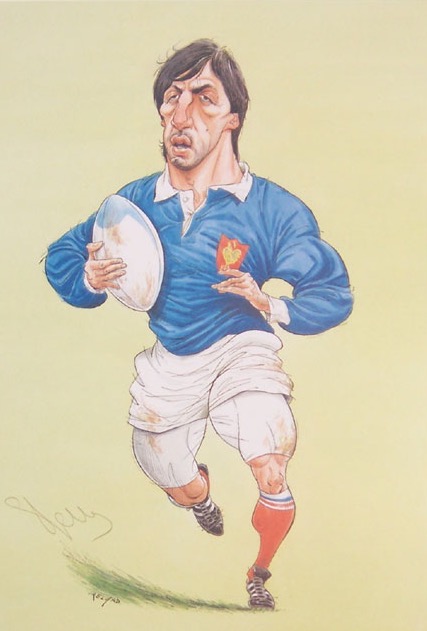
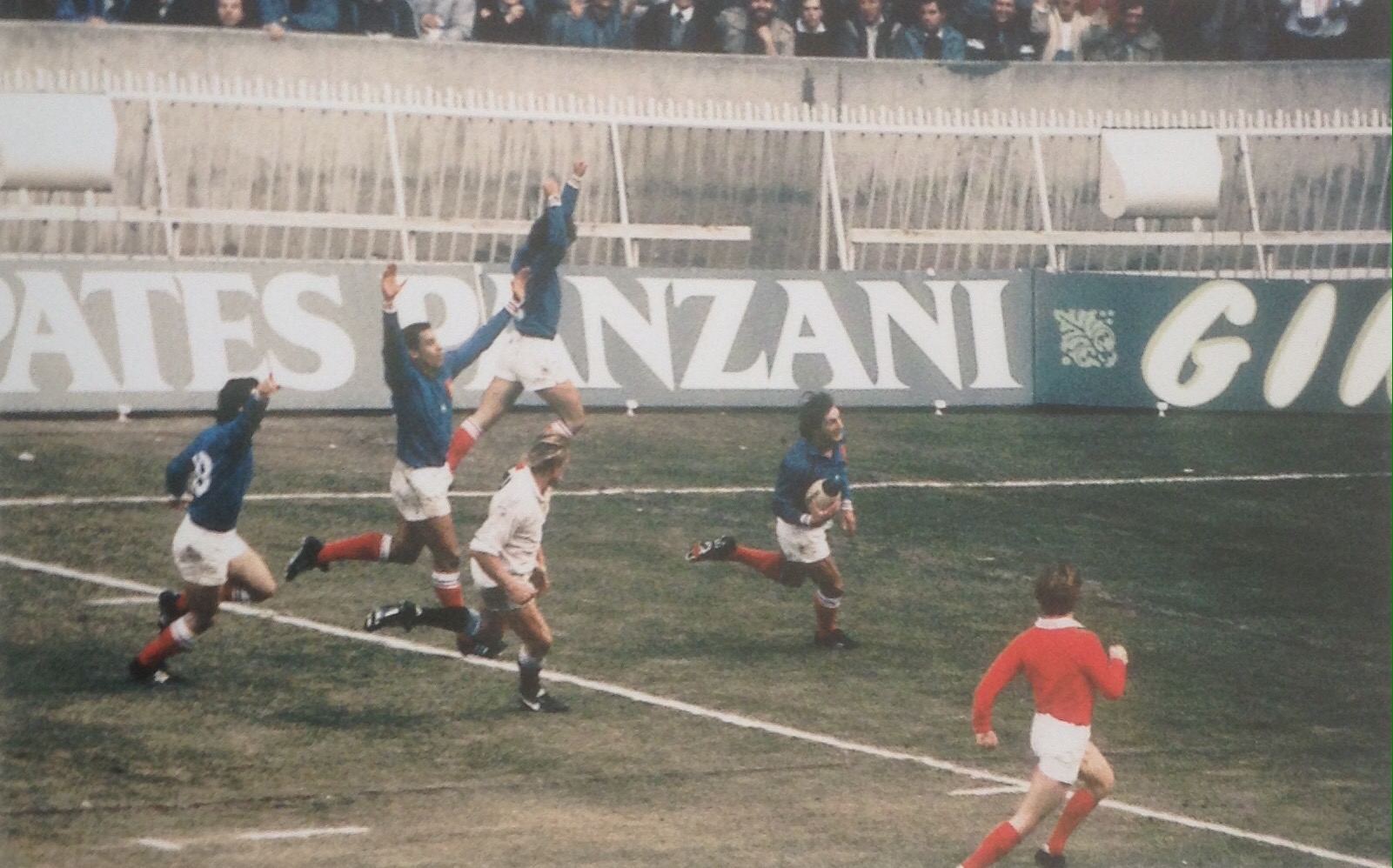
There was a try in the France v England match, at Parc des Princes in 1986,that captured the poetic beauty and sheer heart stopping majesty that was French rugby.

A French scrum just outside their own “22” Berbizier puts the ball in, twenty seconds later Phillipe Sella is running behind the England posts and touching down for a try.

In between those two acts all artistic and sporting forms combine, from opera to ballet, from gymnastics to athletics along with sleight of hand and fleet of foot.

Berbizier passed to fly half Guy Laporte, a missed pass reached Charvet who fed Eric Bonneval, ten metres from his own line.

Bonneval made an arrow straight run up the centre of the field, a mesmerizing seventy-five metres gained, interspersed with a swerve and dummy, before passing high and left to Denis Charvet thirty metres from the English line.

Charvet took the high pass, flirting with the touch-line, teased the England defence using the ball like a Matador’s cape before delivering the final pass to Sella to apply the coup de grace.

As Les Bleus ran back to the half way line, the sheer joy etched on their faces in the hot  Parisian sunshine, reflected the sheer joy of their artistry, as the crowd rose to their feet, as one, in homage, they were witnessing French rugby as it was meant to be played.

The Basque band beat their drums a little louder as Laporte kicked the conversion.

How we long for just a glimpse of those days in current French international rugby, just one scissors move, a dummy a swerve, a flick of the hips, a swagger or even just a look of unadulterated joy on a players face.

It used to be said that if you played France in Paris with the sun on their backs, then you didn’t have a chance, well lets hope for an extended heatwave this autumn.


SportsDragons Monday Roar: All Blackmail

The All Blacks demanded a fee of £3 million to play England at Twickenham at the end of their European tour next year, a considerable hike on the £1.5 million England had to fork out for their last visit.

New Zealand have also rejected a proposal from the Barbarians to finish their European trip with a match up between the two teams, at Twickenham, in favour of a potentially more lucrative fixture against a World XV somewhere in the world.

NZ Chief Executive Steve Tew is intent on the implementation of a global season, and has stated that unless an agreement is reached, then the All Blacks will individually negotiate international matches on their own terms.

Maybe the British & Irish Lions would like to reciprocate ?

Lions tours to New Zealand have long been compromised to suit the hosts needs, with ridiculous match schedules, and when you consider the huge financial benefits the New Zealand rugby authorities reap from capacity crowds created by the thousands of visiting fans, it could be argued that the Lions should  hold the upper hand in itinerary negotiations.

The Home Unions I hope will not give in to this All Blackmail, if it comes to it, the Lions can visit Argentina instead,  or even play a summer series at home.

I’m sure the All Blacks major sponsors AIG and Adidas will not be too impressed at the prospect of their products not receiving any exposure in the Northern hemisphere .

I’m a huge fan of New Zealand rugby, they are  best in the world but they don’t own the game and never will, their previous bullying tactics have largely been centred around the Haka.

In 2006 Richie McCaw refused to lead the Haka on the pitch at the Millenium Stadium, as a Protest at the WRU’s decision that Wales should have the right of reply with a stirring hymn.

New Zealand were informed of this eleven months prior to the match, yet decided on their course of action ten minutes before kick off.

They performed the Haka in the changing rooms (shown below) which was shown on the stadiums big screens, robbing thousands of young Welsh and All Black fans of the memorable experience of seeing it performed on the field of play.

There were some very pompous statements made about disrespecting the Haka which quite frankly were poppycock, and when a throat slitting gesture was added to a subsequent version of the Haka, New Zealand came tumbling off their moral high ground .

So stand firm Home Unions, there is only one thing worse than blackmail, and that is All Blackmail.

Track And Field The Flying Welsh Wingers


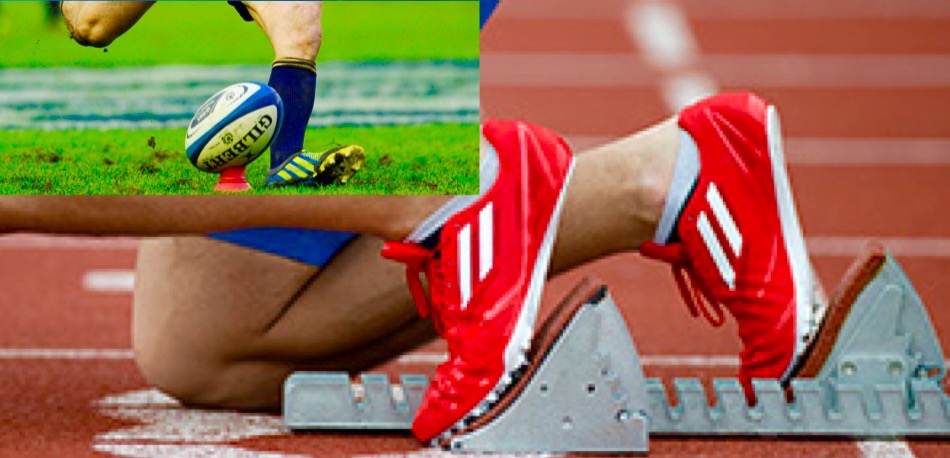
As the Commonweath Games gets in to full swing on Australia’s Gold Coast my thoughts turn to three Welsh rugby international players, who graced both the rugby field and the athletics track.

The Three athletes, who span three different generations, are all wingers ,all played for Wales with distinction, and also graced the tracks of the Olympic and commonwealth games.

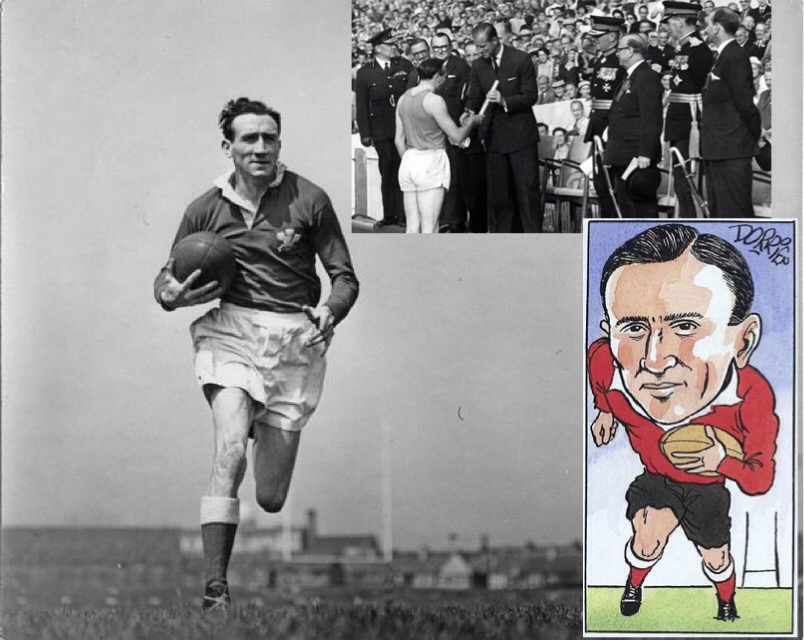
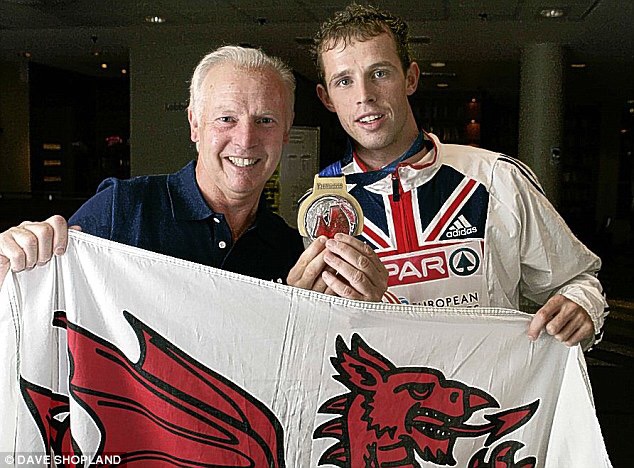
Ken Jones

Ken Jones played 44 times for Wales, scored 17 tries and captained his country on one occasion, staggeringly he is the last Welshman to score a try in a Wales win against New Zealand back in 1953.

Ken was the anchorman of the British 4 x 100 relay team in the 1948 Olympics that won silver, which  was upgraded to Gold, when the USA were disqualified for an illegal baton change, a decision that was rescinded three days later, and the original result was declared official.

In 1954 Ken won another silver medal, this time in the European Championships, as part of Britain’s 4 x 100 relay team, he also won a bronze in the 200 yards, at the 1954 commonwealth games.

When the Commonwealth Games, which were then known as the British Empire and Commonwealth Games, were held in Cardiff, in 1958, Ken Jones was given the honour of being the final runner to carry the baton with the Queen’s message during the opening ceremony.

J.J Williams


J.J is a Wales and Lions legend, and needs no introduction, but as plain John Williams, he ran for Wales in the 1970 Commonwealth games in Edinburgh.

He came fifth in the heats of the 100m, clocking a time of 10.6 behind Hasley Crawford who went on to win Olympic gold at Montreal in 1976.

JJ also reached the quarter finals of the 200m, finishing seventh in a race won by Don Quarrie, and he was also a member of the Wales 4 x 100 relay team who came fifth in the final.

Rhys Williams, JJ’s son has achieved success as a 400m hurdler of international renown, so there are some pretty good genes flying around the Williams dynasty.


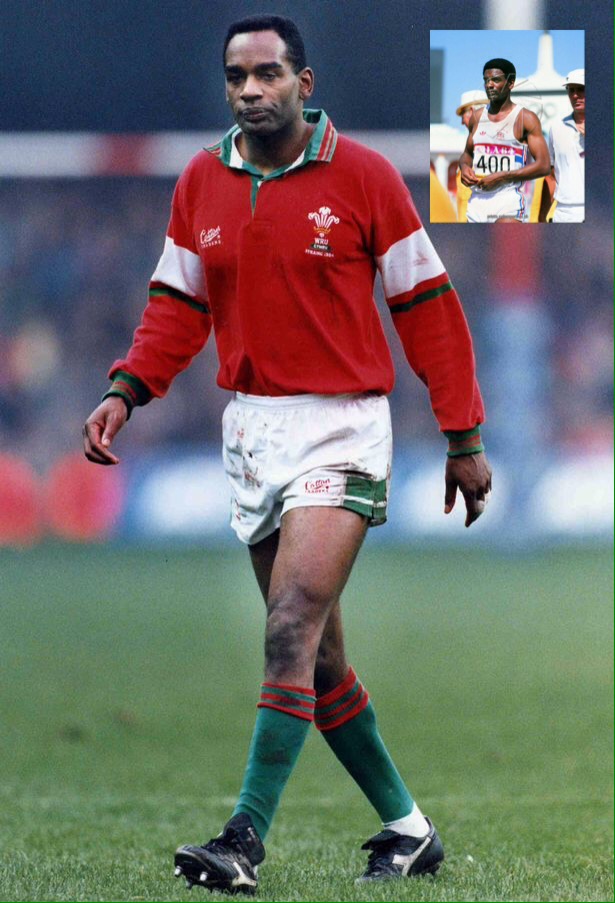
Nigel Walker 


Nigel Walker played for Cardiff, and made his rugby debut for Wales on 6 March 1993 against Ireland, he won 17 caps for Wales scoring 12 tries.

Another flying winger, he represented Great Britain at the 1984 Olympics in Los Angeles, reaching the semi final of 110m hurdles clocking a time of 14.07

Nigel had a distinguished athletics career,  winning bronze in the 60m hurdles at both the European and World indoor championships in 1987.

He was also a semi finalist in the 1989 World championships, came fifth in the 1990 Commonwealth games in the 110m hurdles, and reached the semi finals of the world indoor, and outdoor, championships in 1992 in the 60m hurdles event.

His personal best in the 110m hurdles stands at 13.51 achieved in Birmingham in 1990.


Golden Moments Golden Voices And Golden Bloopers


Our sporting memories often play out in our thoughts, and  our dreams, with a soundtrack, a commentary that is just as vivid as the sporting action itself.

How is it that no one could say “ONE NIL” with such majesty and theatre as David Coleman  did ?

As young kids, when we played football in the park ,the first goal of every game was greeted, and celebrated by the goal scorer providing an adinoidal impression of the great man’s catch phrase.

When you think of some of the magical moments of sport the commentary is automatically  ingrained on the memory, I bet when you think of Gareth Edwards great try for the Barbarians, against the All Blacks, you hear Cliff Morgan in those glorious tones of his poetically orating  ? “Oh that fellow Edwards” or “Tom David of Wales” “Brilliant by Quinnell”


Those of us of advancing years, who remember the 1966 World Cup final, recall Kenneth Wolsteholme and his now legendary “They think it’s all over, it is now” as clearly as we see Geoff Hurst scoring that final goal as “Some people are on the pitch”

Every hot summer Wimbledon memory of the past, comes with an “Oh I say” from Dan Maskell, a voice quintessentially English, that sounded like strawberries and cream on a  lush green lawn.


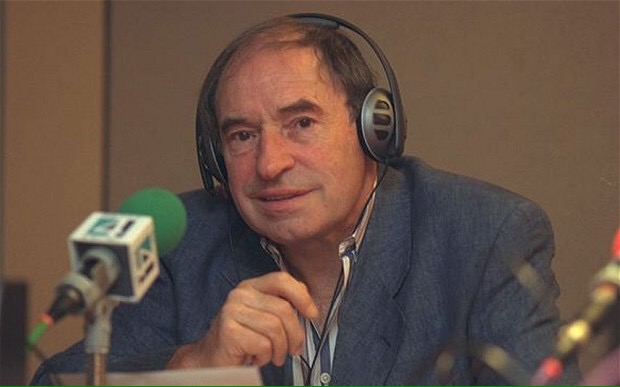
There is one name I haven’t mentioned, a certain Scotsman from Hawick, the voice of my rugby life, all the joys, the sorrows, Bill McLaren was there either celebrating the good times, with me, or else gently breaking the bad news with a feeling of it will be alright, and that it was only a matter of time before I’d be dancing in the streets of wherever I was living once again.


But even some of the greatest have made mistakes, a whole industry grew up on the back of sporting gaffes, particularly in connection with David Coleman and Murray Walker.

But there were plenty more culprits and here are just some of my particular favourites.

 
Sure there have been deaths in boxing, but none of them serious. (Alan Minter)


We didn’t underestimate them, they were just a lot better than we thought (Bobby Robson)


Not to win is guttering (Mark Noble)


I didn’t say them things I said (Glenn Hoddle)


For Tony Adams to confess his alcoholism took a lot of bottle (Ian Wright)


This really is a lovely horse, I once rode her mother (Ted Walsh)


Julian Dicks is everywhere , it’s like they’ve got eleven Dicks on the field (Metro Radio)


It’s a great advantage to be able to hurdle with both legs (David Coleman)


We now have exactly the same situation we had at the start of the race, only exactly the opposite (Murray Walker)


I definitely want Brooklyn to be christened ,though I don’t know into what religion yet (David Beckham)

The Summer of 69

In 1969 whilst Bryan Adams stood on his mamas porch, “with his first real six string” the sporting summer that took place in these Islands, was certainly a memorable one.

I’m not sure that at eleven years of age, “they were the best days of my life”, but they certainly provided evocative memories that I can still recall vividly to this day.

The sun shone all day, and you could leave your doors unlocked, terrorism had only just been invented and you could still play football in the streets.

I’m sure in reality it was totally different, but nostalgia is not what it used to be.

However, a pint of Guinness cost 8p, and pint of bitter around 7.5p, which sounds incredible, but when you take into account the average yearly wage amounted to £1,074, then it does put it into perspective .

The average house price came in at £4,375 in 1969, a year saw Concorde’s maiden flight and the investiture of Charles, as Prince of Wales, in Caernarfon.

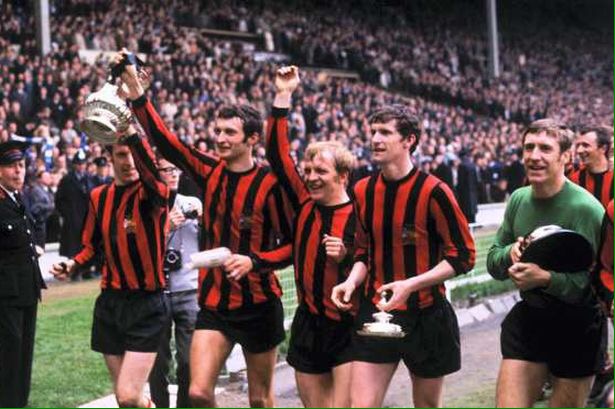
In the FA Cup Final, Manchester City beat Leicester City 1-0,at Wembley , in front of a 100,000 crowd, thanks to a Neil Young goal in the twenty-fourth minute, and whilst Neil was “over the moon” another Neil was actually on it, when on July 21 Neil Armstrong took “one small step for man, one giant leap for mankind”.

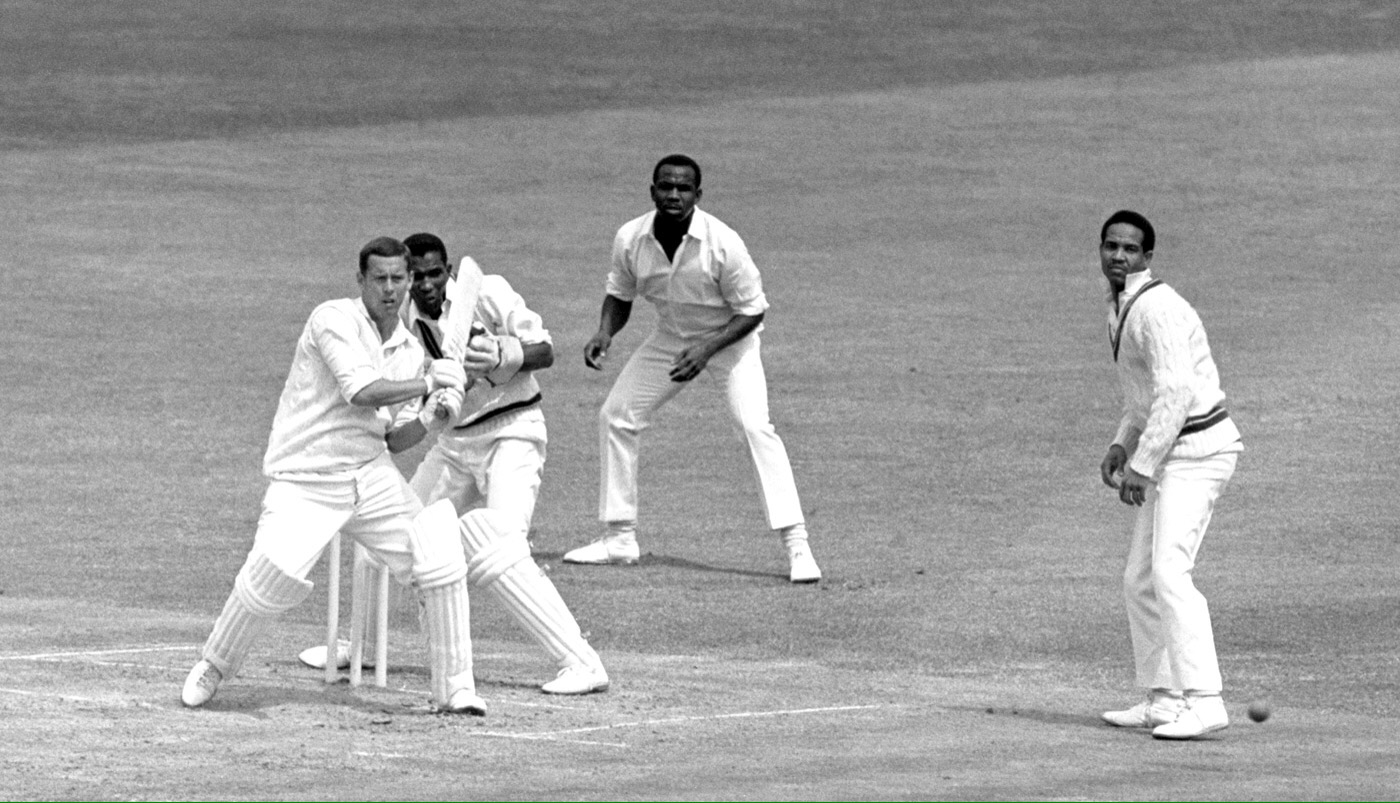
The world of cricket saw England win their three match home series against the West Indies,winning two tests and drawing one , against a side that included the great Gary Sobers.


The summer of 1969 witnessed one of those great sporting rarities, a British winner at Wimbledon.

With the modern-day successes of Tim Henman and Andy Murray ,it is worth recalling that a Brit reaching the second week of Wimbledon was a major cause for celebration in those days.

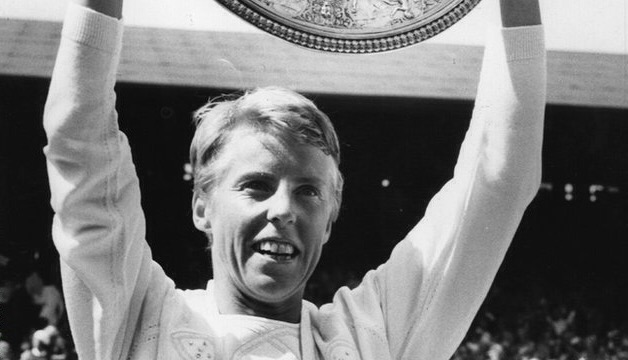
Ann Jones won the women’s singles title,beating Billie Jean King in the final 3-6 6-3 6-2 and the country went mad.

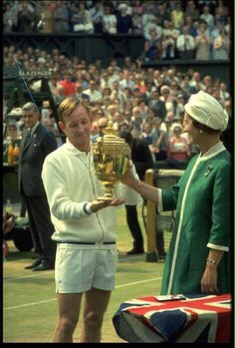
The men’s competition saw Rod Laver defeat fellow Australian John Newcombe on centre court, 6-4 5-7 6-4 6-4, it was Laver’s fourth and final Wimbledon singles title, and his tenth grand slam title overall.

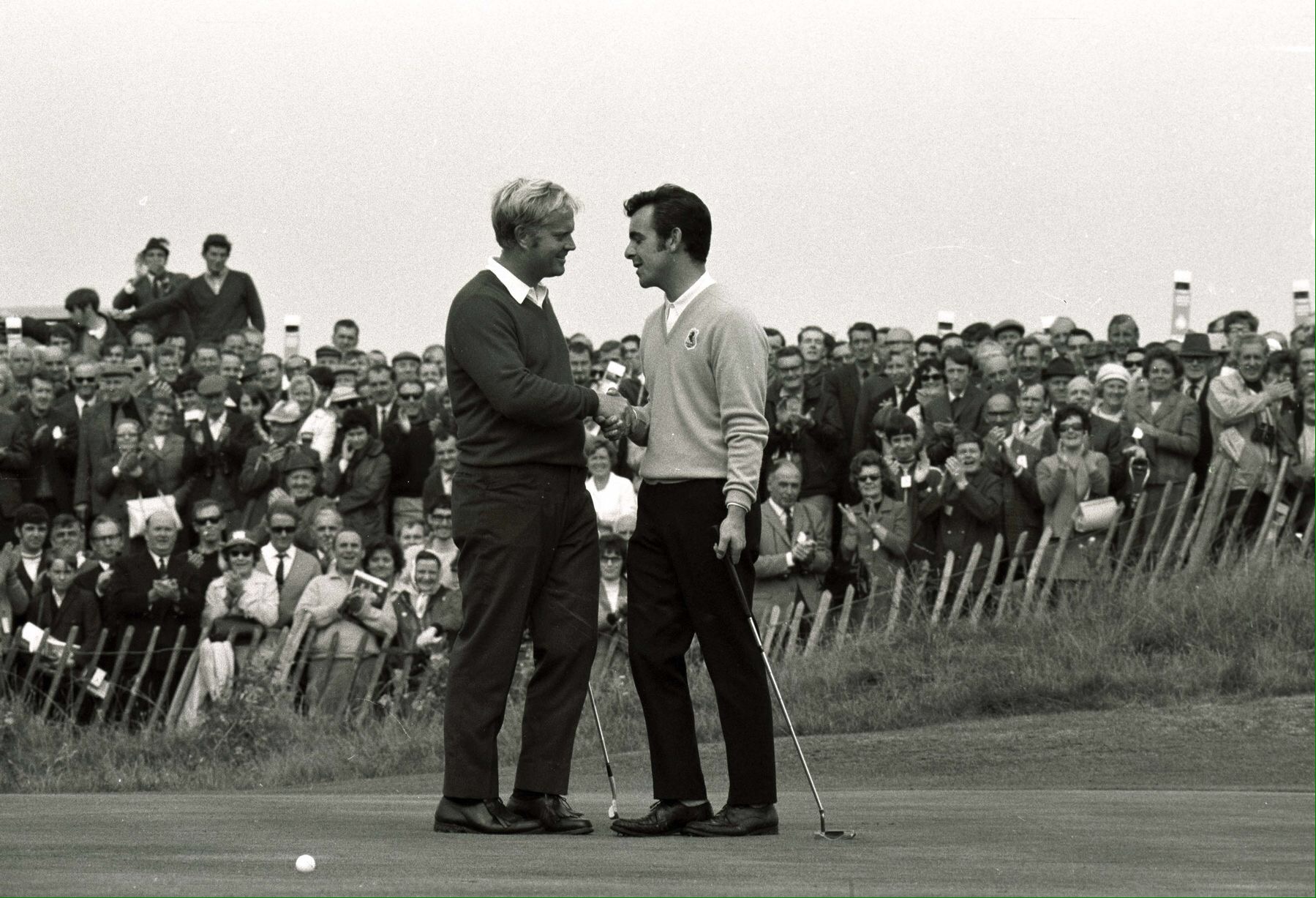
On 12 July, Tony Jacklin won the British open golf championship at Royal Lytham & St Annes ,the first Briton to do so since 1951.

“Jacko” won by two shots from Bob Charles of New Zealand, which gave him the famous claret jug and a cheque for a staggering £4,250.

I remember well my first golfing efforts, the only time I hit two balls in succession was when I trod on a rake in a bunker.

Another British success came in the British Grand Prix  at Silverstone, on 19 July.

The weather that summer could be best described as changeable, but three days earlier Greenwich had recorded a temperature of 32.8 degrees

However Jackie Stewart, created his own heat wave by lapping the entire field to win the race at a canter, the Scot went on to win the formula one drivers title that year.

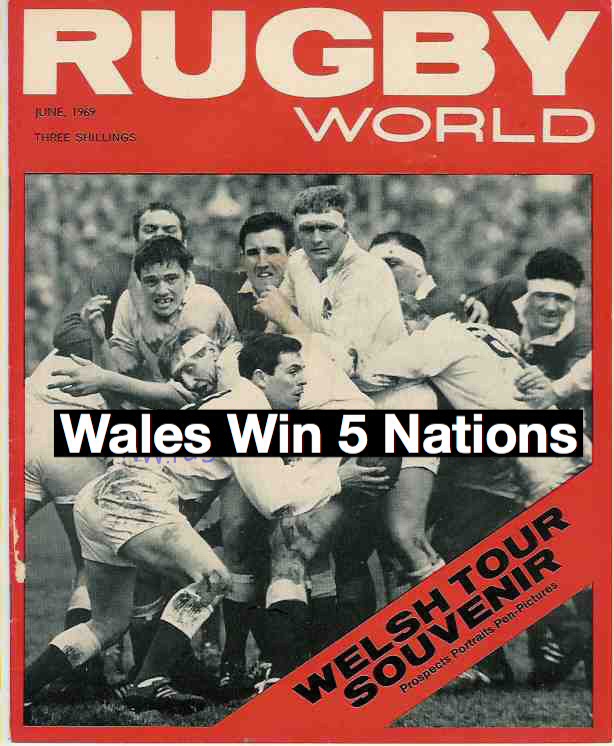
In rugby the Wales team that won the 1969 Five Nations Championship headed  off to New Zealand in a confident mood , that would evaporate all too soon.


Wales lost both tests to the All Blacks 19-0 and 33-12, but to their credit they beat Australia 19-16 and Fiji 31-11 visiting both countries on their way home, as part of the summer tour.

Swansea was granted city status on 3 July 1969, “and oh when I look back now, that summer seemed to last forever, maybe those were the best days of my life”.

(With apologies to Bryan Adams)

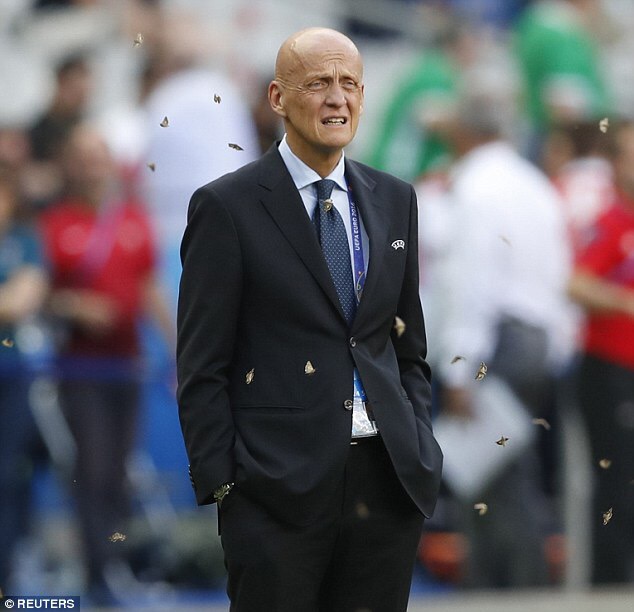
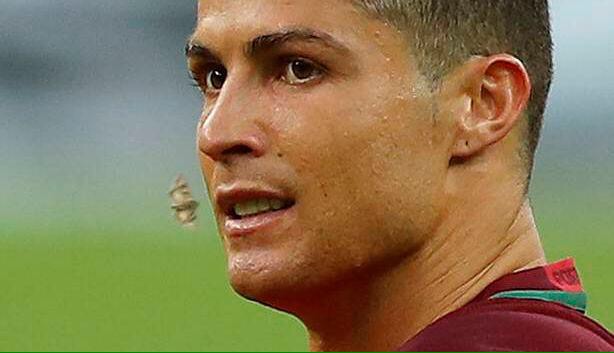
Moth Of The Day Quotes From The Euro 2016 Final

To be fair I was over the moon when the gaffer asked me to do a moth to man marking job on Ronaldo, I normally play a more floating role, I’m a bit of a flier so I often switch wings.

We couldn’t believe it, me and the lads we came for a warm up the night before the game and they had left all the lights on at the Stade de France it was a dream come true.

To be honest we haven’t forgiven Collina for an incident at a champions league match years ago,  the whole team, pictured here were determined to put things right and his bald head shining  made him an easy target.

Here I am, pictured right, a victim of a late one handed swat early doors from Pepe, Clattenberg didn’t even show him a yellow. 


Ever since I was a caterpillar I’ve dreamt of appearing in a major final, here I am about to reduce the great Cristiano Ronaldo to tears got him in a right flap I did ! I’m much better at diving than he is.

JPR Williams Wimbledon And What Might Have Been

 jpr

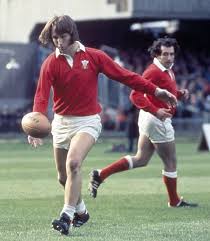
JPR Williams chose to play rugby, and played it vigorously for Wales and the Lions, so much so that on the Lions tour to New Zealand in 1971, he was actually barred from certain training sessions because he had a habit of injuring his team-mates, but his tennis-playing feats are largely forgotten.

Only real aficionados of the game are aware that he played in one of the most historic tournaments of all, the one in Bournemouth in 1968 that launched the open era.

The event cleared the way for the Australian maestro Rod Laver, who had been barred from defending the Wimbledon title in 1963 because he had turned pro, to compete again for the game’s crown of crowns – and this time receive a cash prize.

For regaining the Wimbledon title in 1968, Laver won £2,000.

Laver, it so happens, is the player JPR admires most and, although he missed out on playing him in 1968 at Bournemouth, where the Australian was top seed, he did play doubles with and against him in a charity event in the 1980s. ‘He was my all-time favourite, a great player and, just like Roger Federer, a real gentleman.’ Williams is a fan, too, of Andy Murray.

JPR is a retired orthopaedic surgeon, he and his wife Scilla have four children who have inherited the sporting genes.

Their three daughters have played hockey for Wales, and their son is an excellent golfer

Williams had his last game of rugby for Tondu Veterans in 2003 and gave up tennis at about the same time, he has had a hip replacement, but still looks fit and a solid unit.

Of 1968 he says ‘I don’t think the players I knew realised quite how special the occasion was,’ he says, ‘but we all felt very much in awe because we were playing with these professionals such as Laver and [Ken] Rosewall, which had never happened before.’

Williams made it into the main draw in Bournemouth after winning his qualifier against RF Johansen, in the first round of the competition proper, Williams played the Australian Bob Howe, one of the world’s great doubles players in his prime, but by then he was 42 and moving towards retirement. Williams reckoned he had chances, but lost in straight sets. ‘I was very disappointed,’ he says, ‘because I fancied that I could beat him, but he was just too crafty for me.’

By 1968, Williams had proved himself a tennis player of great promise, having first made an impression in 1964.

He played in the British under-15 tournament on grass in Exmouth that year,’ he says, ‘and surprised everyone by getting to the final.

He describes himself as having been a clay-courter with a reasonably good all-round game. ‘My backhand was better than my forehand, because, like most people, it was my weaker side when I started out and I spent all my formative years practising it.’

His steady improvement led to a major success in 1966 when he won Junior Wimbledon, beating David Lloyd in the final.

The Times reported that Williams’s victory over Lloyd was ‘the biggest upset of the week’,

He rated as an even greater success his title victory the following year in a world junior event in Canada, the Canadian Centennial tournament, in which he beat two young Americans, Sandy Mayer and Dick Stockton, who went on to make the world top 10.

There was no publicity in this country at all,‘ he says, ‘but that was probably a greater performance than winning Junior Wimbledon.’

Many years later, when Williams was the subject of This Is Your Life, the BBC’s greatly respected commentator Dan Maskell, who had been a leading coach, said that Williams’s fighting qualities meant he would have gone a long way in the sport and his decision to concentrate on rugby had been tennis’ loss.

The day on which Williams lost to Howe at Bournemouth would be a crucial one in his opting for rugby. By losing in straight sets, he left time for his father, Dr Peter Williams, to drive him back to Wales to play for Bridgend in a match against Newport.

Williams, still to win his first cap for Wales, arrived at the Brewery Field just in time for the 7.15pm kick-off and played a blinder. ‘I pulled off two tackles on Stuart Watkins, who was the Wales international winger at the time, and I think that cemented my selection for the tour of Argentina in 1968,’ he says.

Next morning he drove himself back to Bournemouth to play doubles, but soon he would have to choose between tennis and rugby.

The moment to decide came during that summer of ’68.  he played in the British under-21s in Manchester and had to scratch after reaching the quarter-finals because he had to get back to Wales for a training session for the tour of Argentina,’ he says. ‘That was the real clash, when rugby took over from tennis.’

If there was any doubt in his mind about abandoning the possibility of a career in tennis, Williams’s father removed it. ‘My father was a big influence on me,’ he says.

‘”Professional sport is not for you.” he told me and that he wanted me to go to medical school.

If you were a good rugby player in those days then you had a very good chance of getting in to one of the London teaching hospitals – and I could do that and keep up the rugby.

The other thing was that Gerald Battrick, who was a very good player from Bridgend and was highly ranked in the UK, did not even feature in the top 10 of Welsh sporting personalities. So I thought, “Well, tennis isn’t very popular in Wales, but rugby is.” That also had a bit of an influence on my decision to choose rugby.’

What, though, would he choose now if faced with the same decision, with tennis a veteran of open competition and rugby union just having entered its teens as a professional sport?

‘I would have chosen tennis before rugby,‘ Williams says after barely a moment’s hesitation.

If that is a surprise, how about this: ‘I’d have done so because tennis is much more lucrative now and much more enticing – and because of the dangers of rugby. It’s much more physical than when I played.’

images

It’s hard to imagine that one of the greatest players ever to put on a Welsh shirt could have been lost to tennis, their loss was our priceless gain.