Advance Australia Flair

images index

The group of death at RWC 2015 just got deadlier, with news that Drew Mitchell and Matt Giteau will now be eligible for the national side, and there is more to come.

The Australian Rugby Union today announced changes to its Player Contracting Policy by allowing an elite group of overseas-based players to be eligible for Qantas Wallabies selection.

Effective immediately, overseas-based players will now be eligible for Qantas Wallabies selection if they have played more than 60 Tests for Australia and have held a professional contract with Australian Rugby for at least seven years.

The adjustment to the policy was approved by the ARU Board and endorsed by Super Rugby CEO’s on Monday 20 April 2015.

Australian Rugby Union CEO Bill Pulver said the policy amendment was an important strategic decision made in the best interests of the code.

“This is a pivotal moment for Rugby in Australia, where for the first time in its professional history, the ARU will allow overseas-based players who have made a significant contribution to Australian Rugby to become eligible for the Qantas Wallabies,” Mr Pulver said.

“It’s a decision that recognises the changing dynamics of a global Rugby market for professional players. Combined with our other recruitment and retention strategies, we feel this decision allows the ARU to assert more influence over player movement and contracting in Australia and abroad.”

Mr Pulver said the policy would provide short and long-term benefits to Australian Rugby and its players.

“Those players who satisfy the 60-game and seven-year threshold have already invested heavily and contributed considerably to Australian Rugby over a long period of time,” he said.

“The policy also encourages those players who have not yet reached that point to commit exclusively to Australian Rugby in the prime of their career. In this way, we believe the policy supports Super Rugby by encouraging our top players to remain in Australia for longer.

“It also means we can invest more money into our younger players in the long-term, while ensuring our most experienced players leaving for overseas can still contribute to the overall success of the code in Australia – on and off the field.”

Under the revised Policy, players returning to Australia from overseas who make a two-year commitment to an Australian Super Rugby Club will also be eligible to represent the Qantas Wallabies immediately upon their return.

Bill Pulver added, “We believe having the option to select overseas-based players to represent the Qantas Wallabies, provided that they have made a commitment to return to Australian Rugby, will encourage the repatriation of Australians currently playing in foreign competitions and increase the pool of talent available to Australian Super Rugby teams and the Qantas Wallabies.”

Qantas Wallabies coach Michael Cheika said greater competition for positions would inevitably lead to a stronger national team.

“It’s important to first and foremost recognise those players who are currently making a daily contribution to Rugby in Australia, but at the same time not discount those elite-level and experienced Test players who have already invested so much into the code over a long period,” Cheika said.

“From speaking with many of them, I know they still have a huge desire to represent Australia, and would do so to the very best of their abilities if ever called upon once again.

“In the end, we want the best players being rewarded for playing the majority of their career in Australia, and this is an important step to the future growth and success of the Wallabies.”
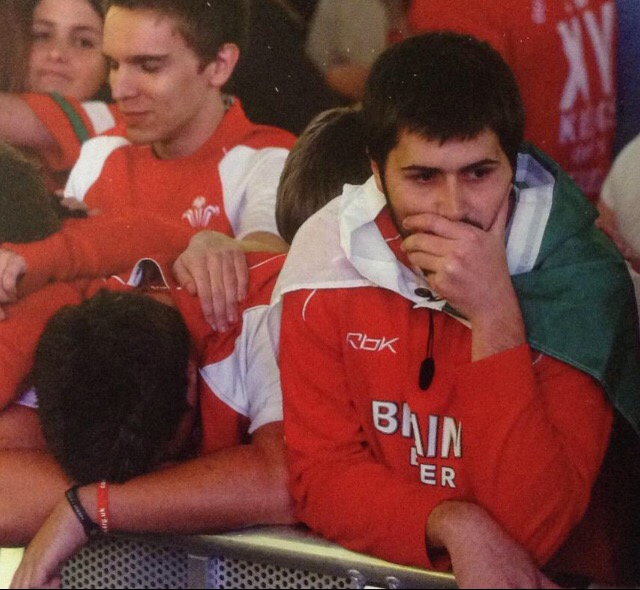
Wales and the Rugby World Cup Its All Too Much

   
Why wasn’t there a world cup in the 1970’s there’s no doubt we would have won it at least once.

JPR, Gerald, Merv, Gareth, Syd, Ray, JJ, Benny, The King,now they would have produced the goods.

Sadly I see Wales and the Rugby World Cup as a four yearly emotional Everest where sometimes we never get past base camp, and occasionally turn up in inappropriate footwear and a t-shirt.

I wont drag you through my personal turmoil since the first tournament in 1987, but actually the inaugural tournament went quite well.

Apart from an absolute thrashing by the All Blacks in the semi final, we actually finished 3rd, beating Ireland in the group stages, England in the Quarters, and Australia in the 3rd place play-off, but in true Wales style it was a last-minute conversion from the touch-line that won the match, wouldn’t do to win a match comfortably would it ?

Since then its been sadness in South Africa, Woe in Wales, Agony in Australia and Fiji in France. AND you only have to say Sam.. and you immediately think red card, Numbness in New Zealand

I still relive that match thinking if Leigh Halfpenny had been our regular goal kicker at that time we would have got through to the final.

And here we are again in 2015, hoping for Ecstasy in England, (I can’t think of any bad word beginning with E, so maybe its a portent).

A part of me is excited beyond belief that we are playing England and Australia, but then I’m already looking ahead with panic at a potential situation where we have to beat Australia in the final group match to qualify for the knock out stages.

Maybe as part of our national psyche the sporting gods sprinkle on our sport all consuming emotions either good or bad, because that’s the way we really like it.

This time, please can we do it, and can we do it without the gut wrenching agony ?

If there was Karma in sport, then after the semi final in 2011, it is assured that we will be playing in the final, at Twickenham, against the All Blacks on Saturday 31 October.

If it happens send me a tweet, I will probably be behind the sofa !

Super Briliant Fantastic Super Duper Saturday

CAnpL47UYAA8_BB.jpg large

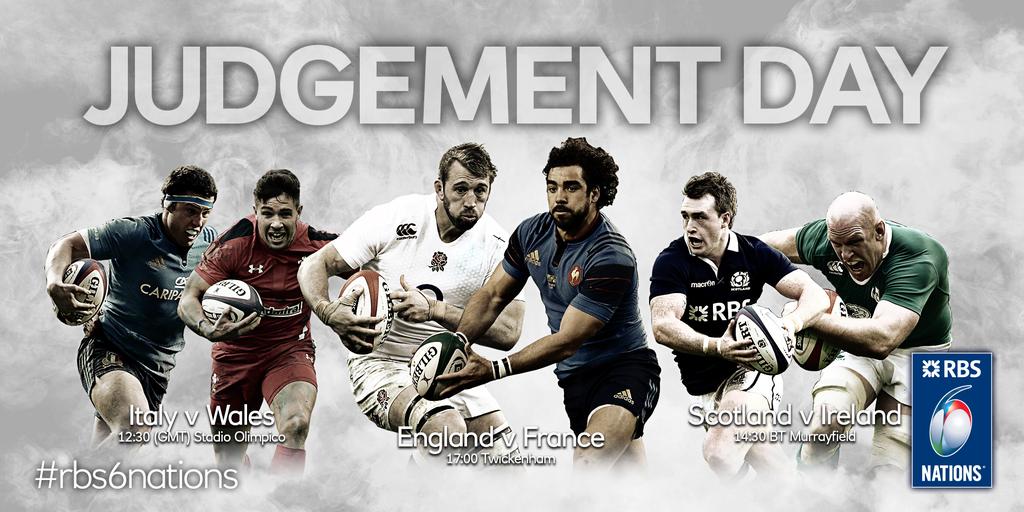
With 79mins on the clock, at Twickenham, the last-minute, of the last match, on the last day of the 2015 RBS 6 Nations championship, we still did not know who had won the title.

As we arise this morning, exhausted from the emotional turmoil of yesterday, the aches and pains from seven hours on the sofa are raging, the indigestion from the lattes and macaroons that got me through the day have subsided.

If the scenario that unfolded yesterday had been written by an author of fiction they could have not made it any more unbelievable.

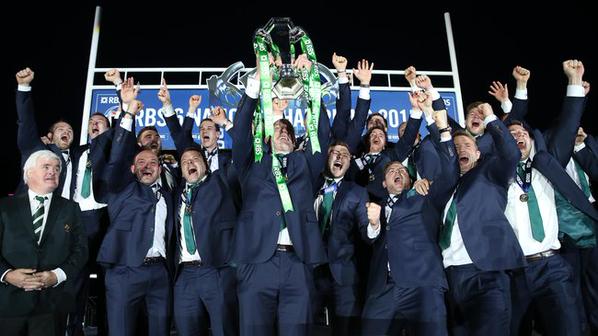
As the clock hit 80 in the England v France game, the title was finally decided, Ireland were the champions.

As the suited men from the emerald isle collected the trophy and medals in a dark Murrayfield, we all drew a collective breath after probably the best day of rugby I have ever been privileged to witness.

CAqFfr7WwAA39Va

It all started in Rome, Wales struggling to 14-13 half time lead, before igniting in the second half.

CAoRDMNXEAAkmfq.jpg large

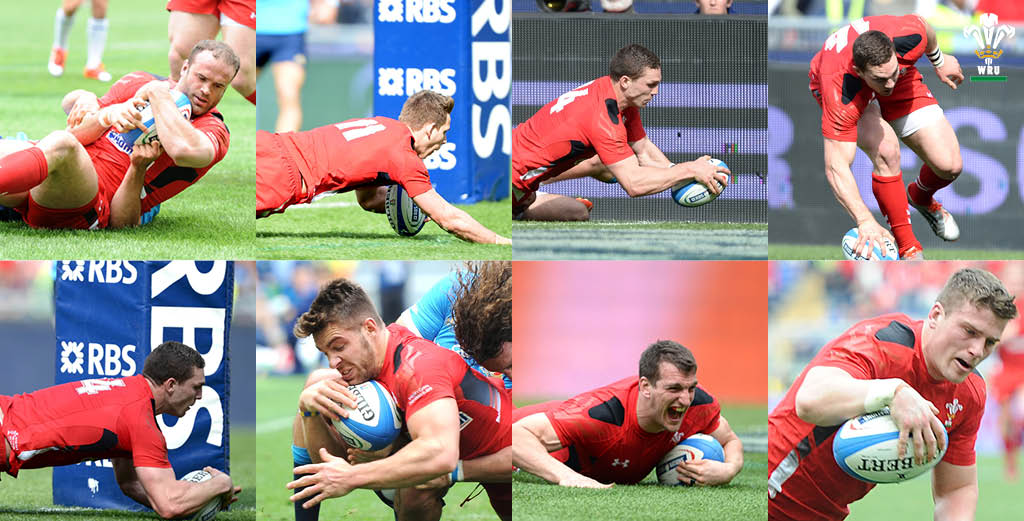
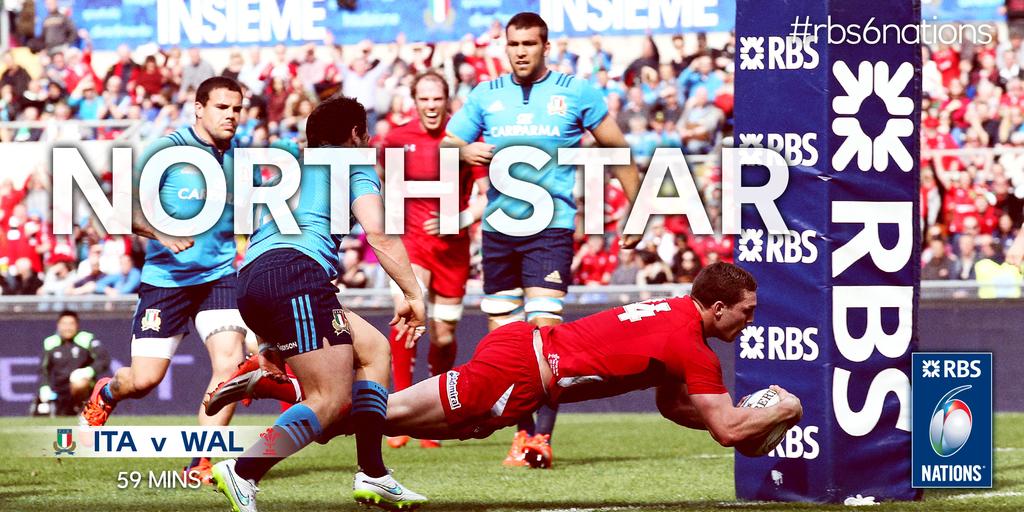
Leaping up from the sofa three times in ten minutes for George North’s hat trick put immeasurable strain on my glutes and hamstrings, 7 tries in twenty-four minutes, I have now have thighs like Jonah Lomu.

CAoEb7uUwAEv67N.jpg large

A 61-20 win, and I had mentally already ordered my WRU champions T-shirt.

CAoJyMwUYAEgMfx

Five minutes into the Scotland v Ireland match, Paul O’Connell thundered over and the writing was on the Wall.

A woeful Scotland were hammered 40-10 and the T-shirt was history, so it was Ireland’s title unless England beat France by 26 points.

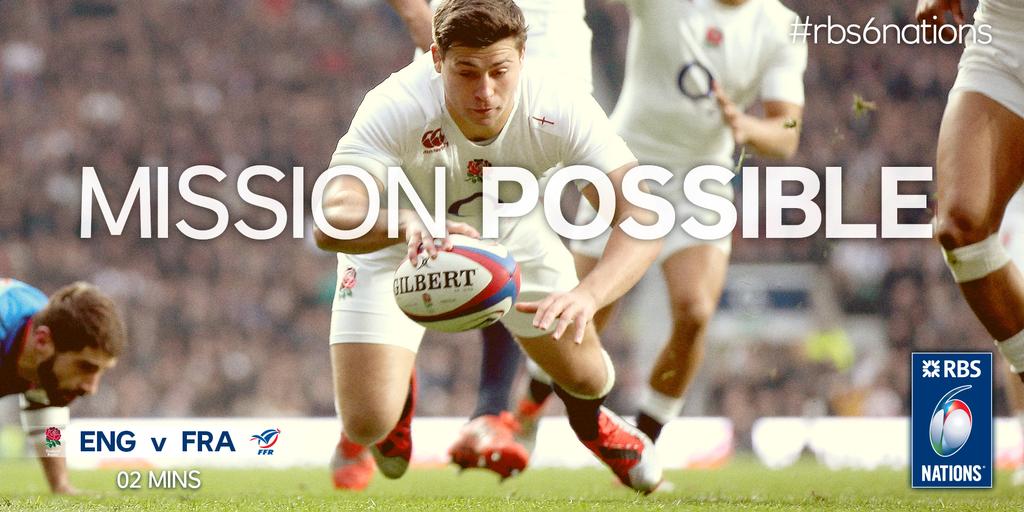
Another dramatic start at Twickenham, Ben Youngs scoring in the opening minutes,

CAowL3OUkAIMrnu.jpg large

But, France came back showing glimpses of back play, a rarity these days, a 53-35 win to England, and I was getting serious cramp having been sofa bound since midday.

CApKBM9UgAAVIpA

This morning it all seems like a dream, has there ever been a day of rugby like it ?

The record books took a pounding

221 points and 27 tries

Wales biggest ever win over Italy

Ireland biggest ever win over Scotland

England’s highest score against France

France highest ever score at Twickenham

The greatest rugby tournament in the world…. probably ?

When Saturday Comes

So we’re here already, the last weekend of the RBS 6 Nations 2015 is only a day and a half away, I guess the things you look forward to the most, are the things that pass by the quickest.

It only seems a blink of an eye since christmas was in its final throes, and there was the mouth-watering prospect of an opening night Wales v England fixture to look forward to, in Cardiff.

As a Welshman the past six weeks have brought about the usual roller coaster of emotions, that are a pre-requisite supporting the men in red.

We have gone through the despair of Cardiff, the relief of Murrayfield, the joys of Paris, and the utter unadulterated ecstasy of Beating Ireland at the Millennium Stadium.

I know I am getting old, because each tournament passes by more and more quickly as each year comes and goes.

Next week we will all be feeling that dreadful post 6 Nations emptiness, thank goodness we have the Rugby World Cup to look forward to.

Every tournament leaves each of us with a memory to treasure, downloaded into the memory bank to go with all the others from years past.

Whether it be the Jonathan Davies hand off against Ireland’s Johnny Sextonhqdefault

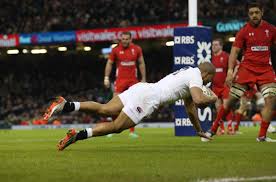
Jonathan Joseph’s try against Wales

jj

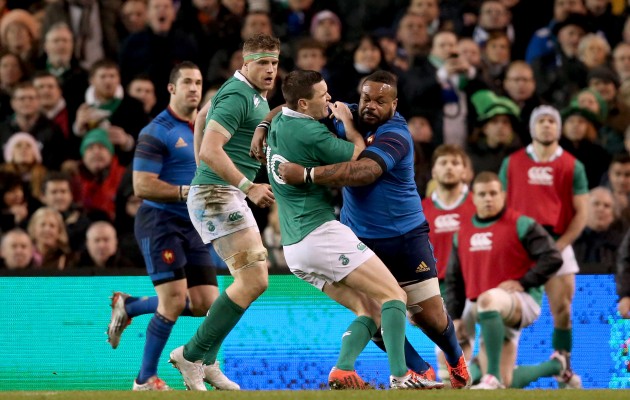
Or Basteraud and Sexton’s head to head in Dublin

jonathan-sexton-and-mathieu-bastareaud-2-630x400

And there are many many more memories, games won and lost, friendships made which will last a lifetime, and the hope that we will all be spared to do it all again next year.

So enjoy the tension and uncertainty of the final Saturday of this wonderful tournament, and really there is only one winner, this wonderful game that we all love

Louis Augustus Phillips Wales International Killed 14 March 1916

220px-Lou_Phillips_-_Wales_modified

Lou Phillips

Louis Augustus Phillips was born on 24 February 1878 in Newport.

He attended Monmouth Grammer school, and was a great all round sportsman excelling at water polo and cricket, as well as rugby.

He played for Newport, his debut taking place during the 1897/98 season.

Lou played scrum half for Wales on four occasions, making his international debut against England in 1900, and he was part of the Triple Crown wining side of that year.

In 1901 he badly damaged his knee playing against Scotland, whist earning his fourth cap, an injury which put an end to his international career.

He subsequently excelled at golf winning both the Welsh and Irish amateur championships.

At the outbreak of World War One, he enlisted with the 20th Battalion Royal fusiliers

At the age of 38, on active duty in France, he was shot in the chest whilst out with a wiring party on 14 March 1916.

He is buried in Cambrin Churchyard Extension, Pas de Calais (Grave L1.10B

Lest We Forget

index

Wales Ladies Raising The Profile Of Womens Rugby

B8hv0MhCAAM5khI.jpg large

Wales Captain Rachel Taylor

If you haven’t seen a women’s international rugby match, you are in for a shock.

The women’s RBS 6 Nations match, between France v Wales, a couple of weeks ago, was brutal, and I have seen many mens’ games with less physicality.

So go to St Helens, Swansea on  Sunday and you will be in for at treat, as well as the possibility of witnessing a Wales Triple Crown.
Caroline Spanton, who leads the development of women’s and girls’ rugby in Wales, at all levels, wants her side to replicate their triumph in that memorable opening weekend win against world champions England.

The win over England has been crucial,” she told the BBC. “The amount of communication and profile we’ve had since that win has just spurred the women’s game on.

“We’ve got a fantastic squad of players and a fantastic management set up.

“The team have worked so hard to achieve the success that they’ve had and they’ve thoroughly deserved that.

“The profile for the women’s game will go through the roof if we have more wins and we have more success.

“We need people behind us so we need people to come down and join us at St Helen’s next Sunday.

“It’s a 12pm kick off and a big home crowd will really boost us – hopefully we’ll get that Triple Crown that the girls and the squad deserve.”

England v Scotland The Origins Of The Calcutta Cup

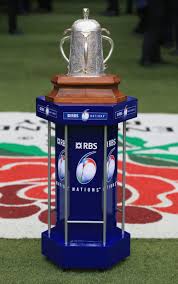
The oldest and probably most famous trophy in rugby, is the Calcutta Cup, played for annually between Scotland and England.

However many people are unaware of the origins of this famous piece of silverware.

The story begins with the popular introduction of rugby to India in 1872, the Calcutta  Rugby Football Club was established by former students of Rugby School in January 1873, and the club then went on to join the Rugby Football Union in 1874.

However, with the departure of a local British army regiment (and perhaps more crucially the cancellation of the free bar at the club!), interest in rugby diminished in the area and sports such as tennis and polo began to thrive as they were better suited to the Indian climate.

Whilst the Calcutta Rugby Football Club was disbanded in 1878, members decided to keep the memory of the club alive by having the remaining 270 silver rupees in their bank account melted down to be made into a trophy.

The trophy was then presented to the Rugby Football Union  to be used as “the best means of doing some lasting good for the cause of Rugby Football.”

The trophy, which stands at approximately 18 inches (45 cm) high, sits on a wooden base whose plates hold the date of each match played; the winning country and the names of both team captains.

The silver cup is delicately etched and decorated with three king cobras who form the handles of the cup and sitting atop the circular lid is an Indian elephant.

The original trophy is still in existence but years of mistreatment (including a drunken kick about in 1988 on Princes Street in Edinburgh by the England player Dean Richards and the Scottish player John Jeffrey in which the trophy was used as the ball) have left it too fragile to be moved from its permanent home at the Museum of Rugby in Twickenham.

Instead both England and Scotland have full size models of the cup to be displayed by the winning team and when England are the victors the original trophy is displayed by the Museum of Rugby in a purpose-built trophy cabinet with revolving stand.

Grand Slam To Great War England Team 1914

england 1914

My small tribute to the England team of 1914, who bravely faced the Scots for the Calcutta Cup, but sadly five months later they were forced to show bravery and courage that we can not possibly imagine.

Pictured here in their pristine white shirts, proudly displaying the red rose, they pose for a team photograph before the match against their arch-rivals Scotland in March 1914.

England won the crunch international 16-15, and a month later defeated France to clinch a Grand Slam in the Five Nations Championship.

But after playing for their country, five of this team would go on to die for it, laying down their lives in the great war.

We will remember them.

index

R

The Betrayal Of The Beauty That Was French Rugby

The lights of the Sacre Coeur were visible twinkling in the distance, between the gaps in the tribune sud stand, at Stade de France.

As one, the thronging crowd exited the stadium heading for the nearby bars and cafes, and the RER metro station at La Pleine, their collected breath billowing a rising cloud of mist into the chilly parisian night air.

French fans, silent, heads bowed, with longing in their eyes, longing for the days of Blanco, Sella, Maso, Cantoni, Maso, longing to witness once again the sublime French angles of running, and the sleight of hand that took your breath away.

French rugby used to be poetry and opera, the brutality of the grizzled old forwards, and the artistry of the backs, not the soulless, stodgy slog that recent years have produced

Heading back to the centre of Paris, the steamed up windows of the railway carriage trace the outline of a still lit stadium, as soulless as the French team.

Back at the Gare du Nord a stroll down to the Seine, and the groups that have travelled north from the rugby hotbeds of Agen, Brive, Dax, Beziers, Toulouse ,Toulon and from the Catalan sunshine of Perpignan, congregate on the pont neuf and stare down into the waters of the river below, with disappointment and sadness in their eyes, and a feeling of betrayal to the “rugby ghosts of yesteryear.

The moon light glints against the silvery towers of notre dame, it is time to forget.

Time for “steak frites” and a large glass of rouge.

It is awful to lose, and it is awful to lose betraying the talents that exist in French rugby, but there isn’t a better city in the world to taste defeat than Paris.

As a Welshman I pray that one day soon I will see those angles of running, and sight of hand, from les bleus once again, the game is all the poorer without them.